
5 Days Tanzania Safari

5 Days
  • 12
  • 65
  • 4x4 Land Cruiser; optional Serengeti flights
  • Lodges/tented camps (Comfort–Luxury)
  • Arusha or Serengeti airstrip
  • Eco-Tour, Safari
  • Jun–Oct best, Dec–Mar
  • Full board; water included
  • English; others on request
  • Private 1–6 (max 7)

Overview

This 5-Day Lodge & Tented Camp Tanzania Safari allows us to experience the highlights of the Northern Safari Circuit. We experience breathtaking wildlife amid some of the most diverse landscapes; monkeys in the forest, lions in trees, elephants amongst the acacias, and many animals inside a collapsed volcano. The  Tanzania Safari 5 Days. We will also visit the world-famous Serengeti National Park. The landscapes are jaw-dropping, and the variety and volume of wildlife we will see are unforgettable!

You can also suggest or opt for a Budget Camping Safari Itinerary, which can be adapted to suit your needs and preferences, and any seasonal changes or migratory animal movements.

Book your Tanzania safari adventure today and create unforgettable memories.

Highlights

  • Tarangire National Park: giant baobabs, large elephant herds, and diverse birdlife.
  • Serengeti plains: full‑day game drives for big cats and, seasonally, the Great Migration.
  • Ngorongoro Crater: high Big Five density inside a dramatic volcanic caldera.
  • Lake Manyara (or Karatu area): tree‑climbing lions, hippos, and seasonal flamingo flocks.
  • Golden‑hour photography on sunrise/sunset drives; optional Serengeti hot‑air balloon.
  • Comfortable lodges or tented camps (full board) and a private 4x4 with expert driver‑guide.
Itinerary

  • Day
    01

    Moshi – Lake Manyara National Park – Mto wa Mbu

    In the morning you will travel from Moshi to the small Lake Manyara National Park. Not only is this park a bird-lover’s paradise with over 400 species of birds, but is also home to primates such as baboons and blue monkeys and many herbivores, such as elephants, hippos, wildebeest, impalas and giraffes. You might even catch a glimpse of the more carnivorous inhabitants, such as leopards and lions. Through the pop-up roof of your safari vehicle you will see the landscape changing from lush acacia woodlands to grassy floodplains, where colonies of flamingos and other water fowls can be found on the alkaline Lake Manyara’s shoreline. After extensive game viewing you will leave the park for overnight at Fanaka Public Campsit

  • Day
    02

    Mto wa Mbu – Serengeti National Park

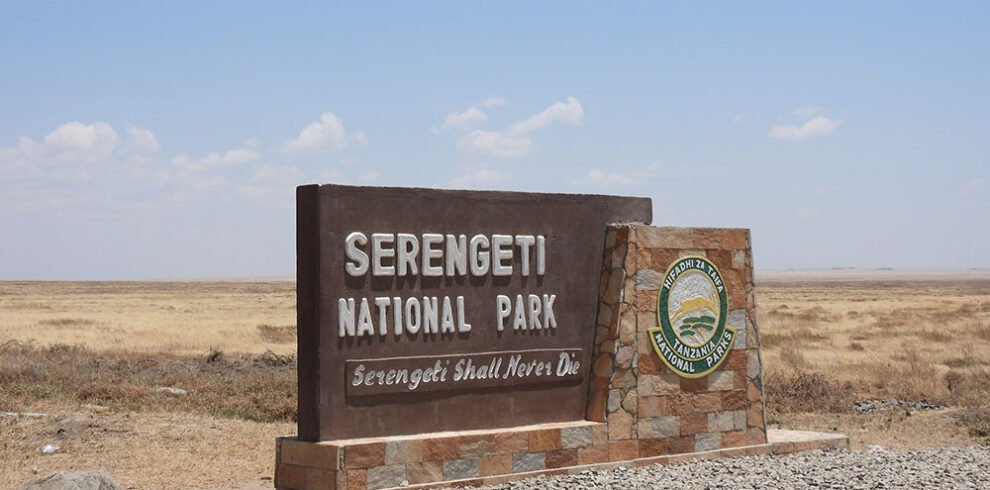
    After the breakfast plates have been cleared, you will continue toward the fertile highland where wheat, coffee and corn are grown by the Iraqw people. Passing through the Ngorongoro Conservation Area, you will be able to see the breath-taking Ngorongoro Crater before travelling onwards to the Serengeti National Park, which you will reach by midday. The Serengeti National Park is the largest park in Tanzania with a diversity of landscapes and habitats, such as grassy plains, swamps, lakes, savannah and mountains. Here the biggest wildebeest and zebra migration takes place and depending on season you will have the opportunity to witness thousands of animals on their search for nourishment. You will camp the night at Nyani Public campsite FB

  • Day
    03

    Serengeti National Park

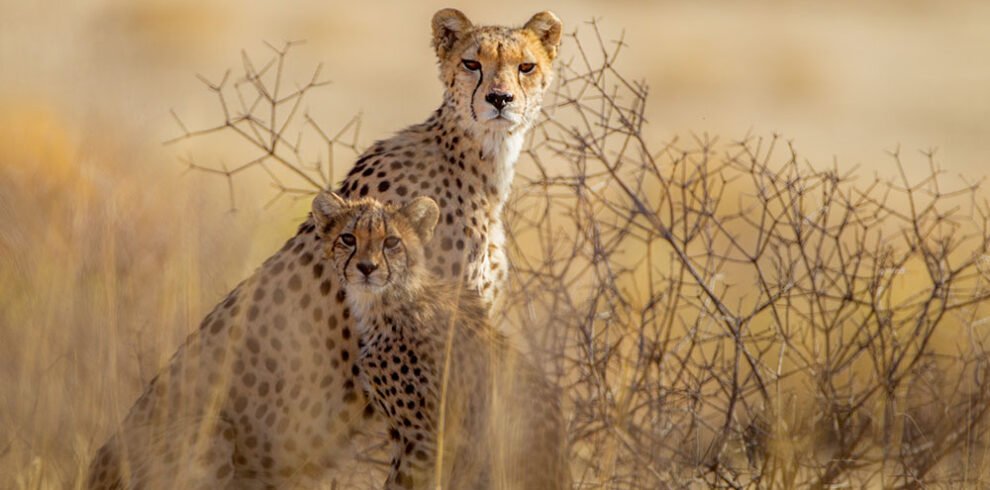
    Today you will explore the Serengeti National Park. Your guide will take you closer to where the migrating herds are to be found. During the short rainy season in November and December the herds make their way from the hills in the north to the plains of the south, returning north during the longer rainy season from April to June. Their exact location differ yearly as they migrate according to the rainfalls, but your guide will know where you will be able to see them best. Lurking close by you might even spot some leopards, cheetahs and lions. After an eventful day you will return to your at Nyani Public Campsite FB

  • Day
    04

    Serengeti National Park – Ngorongoro Conservation Area

    Early morning you will set out on another game drive in the Serengeti before continuing towards the Ngorongoro Crater. Soon the 600 meters deep unbroken caldera will open up before you and you will have a moment to take in the fantastic, awe-inspiring views of the collapsed volcano. Your campsite Simba  lies directly on the crater’s edge, offering a once in a lifetime view as the sun slowly sets over the crater. Nestled in your tent, thinking about the adventure the next morning brings, you will drift off to sleep. FB

  • Day
    05

    Ngorongoro Crater – Arusha

    Early in the morning you will head down the forested slopes into the crater on a steep and narrow path. The crater floor is covered in open grassland with the occasional acacia tree and two small wooded areas. Teaming with wildlife, you will be able to see many animals in a short period of time and might even be able to tick the “Big Five” – lion, elephant, buffalo, rhino and leopard – off your list. Other animals present in the crater area include wildebeest, zebras, gazelles, warthogs, hippos and more than 500 species of birds. You will spend the entire morning exploring the park and after a picnic lunch in the crater, you will return to Arusha  or Airport where you will arrive by early evening.

The Cost Includes

  • All Mentioned Safari Activities
  • Air Ambulance Service by AMREF Flying Doctors
  • Airport Pick-up and Drop-off Transfers
  • Hotel Accommodations According to the Itinerary
  • Transportation in 4×4 Land Cruiser with a pop-up roof for easy game viewing and photography
  • All Park Fees
  • Experienced English-speaking safari guide
  • All Meals according to the Itinerary
  • Bottled water and soft drinks throughout the tour
  • Binocular (1 per Vehicle)
  • Medical kit
  • 18% VAT on Tour Fees & Services
  • Crew salaries

The Cost Excludes

  • Air tickets
  • Visa fees
  • Lunch and dinner in hotel (only before and after safari)
  • Travel Insurance
  • Tips to your safari guide ($25-45 per day per car)
  • Other Optional Activities
  • Personal expenses

Frequently Asked Questions (FAQs)

Who are your operators in Tanzania?

We are! We’re not agents or go-betweens; we operate everything ourselves through our own local Tanzanian company. So, the people you speak to have likely been on safari to the parks several times.

What about snakes and bugs?

Snakes and insects are around, but you usually don’t need to worry, especially on vehicle safaris. If you're going on a walking safari, wear boots and long clothes to protect yourself from bites. Mosquitoes and flies can be annoying, so bring insect repellent to stay comfortable.

What’s in the safari picnic boxes?

Tasty and satisfying meals for both breakfast and lunch. You’ll also get energy bars for a quick boost—safaris can be tiring, so you’ll need the extra fuel!

What if I have dietary restrictions?

No problem at all, just let us know if you’re vegetarian, vegan, gluten-free, lactose intolerant, have celiac disease, or have any food allergies. We’ll make sure you’re taken care of.

What if I get sick or hurt during the safari?

If you feel unwell or get injured, you’ll get the care you need right away. If it’s serious, you’ll be taken to the nearest hospital. Be sure to have travel and health insurance, it’s really important.

Do I need sun protection?

Yes! Since Tanzania is close to the equator, the sun is strong all day long. To avoid sunburn or heatstroke, make sure to wear a hat, sunglasses, and sunscreen.

Can I walk around in the national parks?

Please stay in the vehicle unless your guide says it’s safe to get out and stretch. If you’re interested in hiking, guided walks are offered in places like Tarangire, Lake Manyara, and Ngorongoro.

What about bathrooms when we're out in the wild?

There are public bathrooms on the safari. But if you need to go and don’t see one nearby, you can ask your guide about stepping behind the vehicle. They understand if nature calls!

Should I tip the safari driver guides?

Tipping is a nice way to show appreciation. Feel free to tip generously, it helps make the safari experience even better and safer.

What are the roads like on safari?

The roads can be pretty bumpy during game drives. If you have any back issues, it’s a good idea to bring something for extra support, like a back brace or pillows.

Will the safari be dusty?

Yes, it will! Dust is part of the safari experience, especially in the dry season. Some roads, like between Ngorongoro and Serengeti, can get pretty bumpy and dusty. It’s a good idea to keep the windows up and the AC on, wear sunglasses and a hat, and keep your gadgets safe from the dust.

What travel documents do I need?

You’ll need a passport that’s valid for at least six months after your trip, plus any necessary visas.

When should I book my trip?

It’s best to book early, about 6 months ahead. If you want to see the Wildebeest migration in Serengeti, try to plan 10 to 12 months in advance.

How much does a safari cost?

Safaris can be pricey. The cost depends on how many people are going, how long the trip lasts, and whether you want a basic or fancy experience.

What are game drives?

Game drives are guided trips in a safari vehicle that take you deep into the wild to see Tanzania’s amazing animals up close in their natural habitat.

Do you provide drinks during the safari?

Absolutely! We’ve got a small fridge in the safari vehicle to keep your drinks nice and cool. You’re also welcome to bring your own water bottle. We offer a selection of beverages, including beer and soft drinks, for you to enjoy along the way.

Will there be wildlife around the camps and lodges?

Yes, you might see wild animals nearby since you're in their natural habitat. While encounters are usually safe, it's important to stay cautious and give animals plenty of space, they’re wild and can be unpredictable. Think of it as visiting their home, so always be respectful and careful.

What’s a typical day on safari like?

It really depends on the park you're visiting. Each one is unique—some have wide open plains, others have rocky hills or giant baobab trees. If you're heading to the Serengeti, expect endless grassy landscapes and a great chance to see the Big Five. In Tarangire, you’ll find dry terrain, iconic baobabs, and plenty of animals, possibly even all of the Big Five in one day.

Do you offer tours in French, Spanish, German, or Chinese?

Yes, we have guides who speak different languages. Just let us know your preferred language when you book, and we’ll do our best to match you with a guide who speaks it.

Hotel

Simba A Public Campsite (Ngorongoro rim)—best for early crater entry; book via your operator/NCAA. Info: Ngorongoro Conservation Area Authority

Tarangire Public Campsites (inside the park)—basic facilities; arrange through TANAPA or your operator. Info: Tanzania National Parks (TANAPA)

Marera Valley Lodge (Karatu, midrange)—25–35 min to Crater Gate; great value and food. Marera Valley Lodge