

Tanzania Travelers
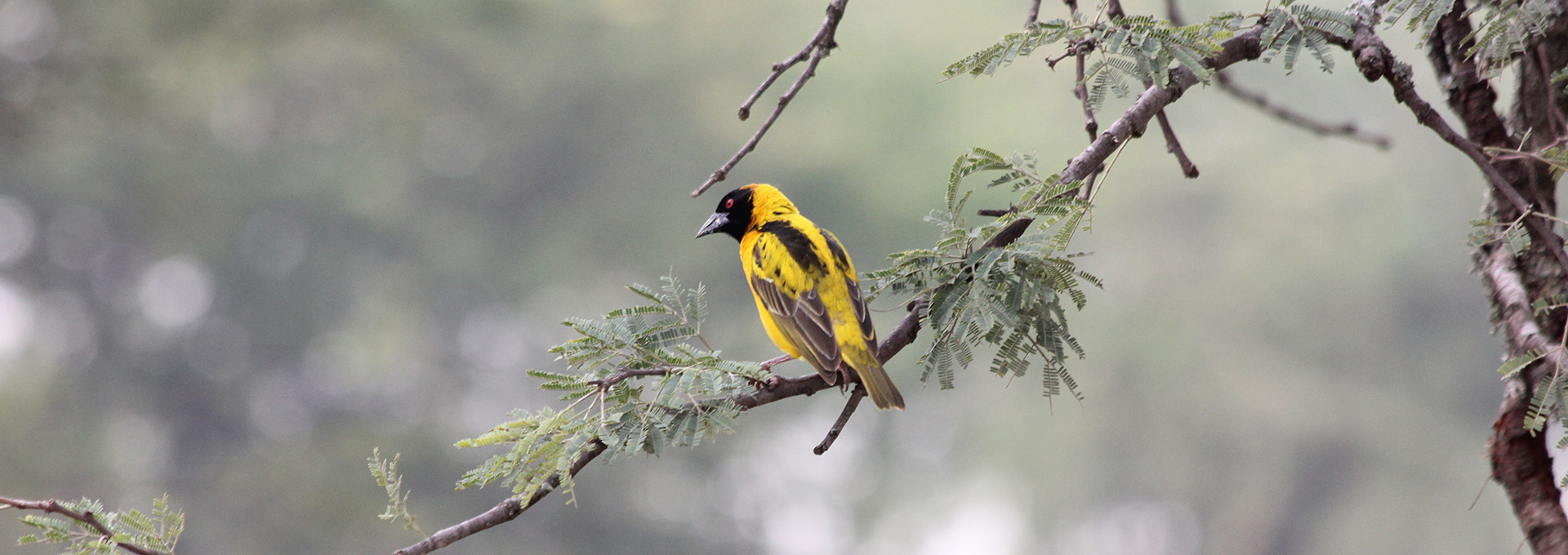
A bird on the shoreline of Lake Manyara National Park
Rift Valley · 330 km²

Lake Manyara National Park guide

Tree-climbing lions, a groundwater forest alive with baboons, and a soda lake pink with flamingos, all pressed beneath the Rift Valley escarpment, Lake Manyara is the northern circuit in miniature.

330 km²
Forest, floodplain and a shallow soda lake
Tree-climbing lions
The park's most famous behaviour
Groundwater forest
Baboons, blue monkeys and bushbuck
Jun – Oct peak
Dry-season game viewing
Northern Tanzania

What makes Lake Manyara special

Lake Manyara may be one of Tanzania's smallest parks, but few places pack so much into so little space. A narrow strip of land runs between the sheer wall of the Rift Valley escarpment and the shallow soda lake, and in that strip you pass through dense groundwater forest, open floodplain, acacia woodland and the lakeshore itself. Ernest Hemingway called it the loveliest he had seen in Africa.

The park is best known for its unusual tree-climbing lions, which drape themselves over acacia branches, and for the waterbirds that gather on the lake, sometimes including hundreds of thousands of flamingos. Elephants, buffalo, giraffe and huge troops of baboons are all regularly seen, and the compact size means a single day delivers a complete, varied safari.

  • Tree-climbing lions in the lakeside acacias
  • Flamingos and over 400 recorded bird species
  • Groundwater forest with baboon and blue monkey troops
  • Easy pairing with Tarangire, Ngorongoro and the Serengeti

Lake Manyara at a glance

Established
1960
Size
330 km² (lake can take two-thirds)
Location
Great Rift Valley, northern Tanzania
Nearest city
Arusha (about 1.5 – 2 hours by road)
Ecosystem
Groundwater forest, floodplain, soda lake, escarpment
Famous for
Tree-climbing lions, flamingos, forest primates
Month by month

The best time to visit Lake Manyara

Lake Manyara's rhythm follows the water. In the dry months game concentrates near the lake and the forest springs; when the rains come the park turns emerald, the lake swells and the birdlife explodes. Both seasons reward a visit, just in different ways.

June – October
Peak

Dry season

Forest & lake shore

The classic game-viewing window. Water dries off the floodplain, elephants, buffalo, giraffe and their predators gather near the lake and the groundwater forest, and tracks are at their easiest. Flamingo numbers depend on water levels, but resident game viewing is at its peak.

November – December
Good

Short rains

Park-wide

Fresh green growth and arriving migratory birds. The lake begins to refill and attract waterfowl, the forest is lush, and visitor numbers stay low.

January – March
Good

Green season & birding

Park-wide

Manyara's best birding months, with hundreds of resident and migratory species around the lake and hot springs. Game is more dispersed but the scenery is at its greenest.

April – May
Quiet

Long rains

Park-wide

The wettest, quietest months. The lake swells, flamingos and waterbirds often gather in force, and lodges are at their lowest rates, though some tracks can be muddy.

Wildlife

What you can see in Lake Manyara

Tree-climbing lions

The park's signature. Lions here regularly rest in acacia branches, a rare behaviour shared by only a handful of lion populations in Africa.

Elephants & buffalo

Breeding herds of elephant move between the forest and the lakeshore, and buffalo graze the floodplain in sizeable numbers, especially in the dry season.

Forest primates

The groundwater forest holds some of the largest baboon troops in Africa, along with blue monkeys, vervets and shy bushbuck in the shadows.

Flamingos & birdlife

Over 400 recorded species. When water levels suit, the soda lake turns pink with flamingos, joined by pelicans, storks, cormorants and thousands of waterbirds.

Where to go

Where to go in Lake Manyara

Groundwater forest

Year-round

The atmospheric strip of fig and mahogany forest just inside the gate. Large troops of baboon and blue monkey live here, alongside bushbuck, and it is the best canopy walkway setting in northern Tanzania.

Lake shore & floodplain

Year-round

The soda lake and its edges draw hippos, thousands of waterbirds and, in good water years, flocks of flamingos. Buffalo, wildebeest and zebra graze the open floodplain nearby.

Acacia woodland

June – October

The famous tree-climbing lion country. Lions lounge in the acacias here, and giraffe, elephant and impala move through the open woodland between the forest and the lake.

Escarpment & hot springs

Year-round

The dramatic Rift Valley wall rises up to 600 metres above the park. At its base, the Maji Moto hot springs bubble through the southern end, with superb views back across the lake.

Lake Manyara safaris

Safaris that include Lake Manyara

All of these are private departures with a 4×4 Land Cruiser, an English-speaking driver-guide and all park and conservation fees included. Lake Manyara is usually combined with Tarangire, Ngorongoro and the Serengeti.

ItineraryTime in Lake ManyaraOther parks2 voyageurs6 travellers
Safari de 3 jours
3 jours
1 dayTarangire, NgorongoroUSD 1,500USD 1,100
Safari de 5 jours
5 jours
1 dayTarangire, Serengeti, NgorongoroUSD 2,570USD 2,100

Prices are per person in USD, including park, conservation and crater fees with VAT, full-board accommodation, a private 4×4 and airport transfers. See the Guide des coûts de safari en Tanzanie for a full breakdown.

Lake Manyara questions

What is Lake Manyara National Park famous for?

Lake Manyara is famous for its tree-climbing lions, its groundwater forest, and the vast soda lake that flocks with flamingos and other waterbirds. Ernest Hemingway called the park the loveliest he had seen in Africa, and it packs a remarkable variety of habitats into a small area beneath the Rift Valley escarpment.

When is the best time to visit Lake Manyara?

June to October, the dry season, is best for game viewing, when animals concentrate near the water and the tracks are dry. November to April is the best time for birding and green scenery, and the lake often holds thousands of flamingos and other waterbirds in the wetter months.

Where is Lake Manyara in Tanzania?

The park lies in northern Tanzania on the floor of the Great Rift Valley, about 120 km from Arusha, roughly a 1.5 to 2-hour drive on tarmac road. It sits between Tarangire and the Ngorongoro Conservation Area, making it an easy stop on any northern-circuit safari.

How big is Lake Manyara National Park?

The park covers about 330 km², of which the shallow alkaline lake can take up to two-thirds in the wet season. It is one of Tanzania's smaller national parks, which makes it easy to explore thoroughly in a single day.

Do the lions in Lake Manyara really climb trees?

Yes, and it is one of the park's signatures. Lake Manyara's lions regularly rest in the branches of acacia trees, a behaviour seen in only a few places in Africa. Sightings are never guaranteed, but the acacia woodland along the lake shore is the best place to look.

Can you see flamingos at Lake Manyara?

Often, yes. When water levels are right the soda lake attracts hundreds of thousands of flamingos along with pelicans, storks and cormorants. Flamingo numbers fluctuate with the seasons and rainfall, so they are a highlight rather than a guarantee.

How many days do you need in Lake Manyara?

One day is enough for most visitors. A full-day game drive covers the groundwater forest, the lake shore and the acacia woodland, and can be combined with the treetop canopy walkway. Many itineraries visit Manyara en route between Tarangire and the Ngorongoro Crater.

Is Lake Manyara worth visiting if I am going to the Serengeti?

Yes. Lake Manyara offers a completely different setting to the open Serengeti plains: Rift Valley scenery, forest, a soda lake and the chance of tree-climbing lions, all within two hours of Arusha. Most of our itineraries combine Manyara with Tarangire, Ngorongoro and the Serengeti in one seamless trip.

Plan your Lake Manyara safari

Tell us your travel dates and group size. We will time your visit around the season, arrange game drives through the forest and lakeshore, and link Lake Manyara with Tarangire, the Ngorongoro Crater and the Serengeti.

  • Private 4×4 with an experienced driver-guide
  • Park fees, accommodation and meals included
  • Canopy walkway and hot springs can be added
  • No deposit required at this step, reply within 24 hours
Explore all safari tours