
5 Days Safari
Overview
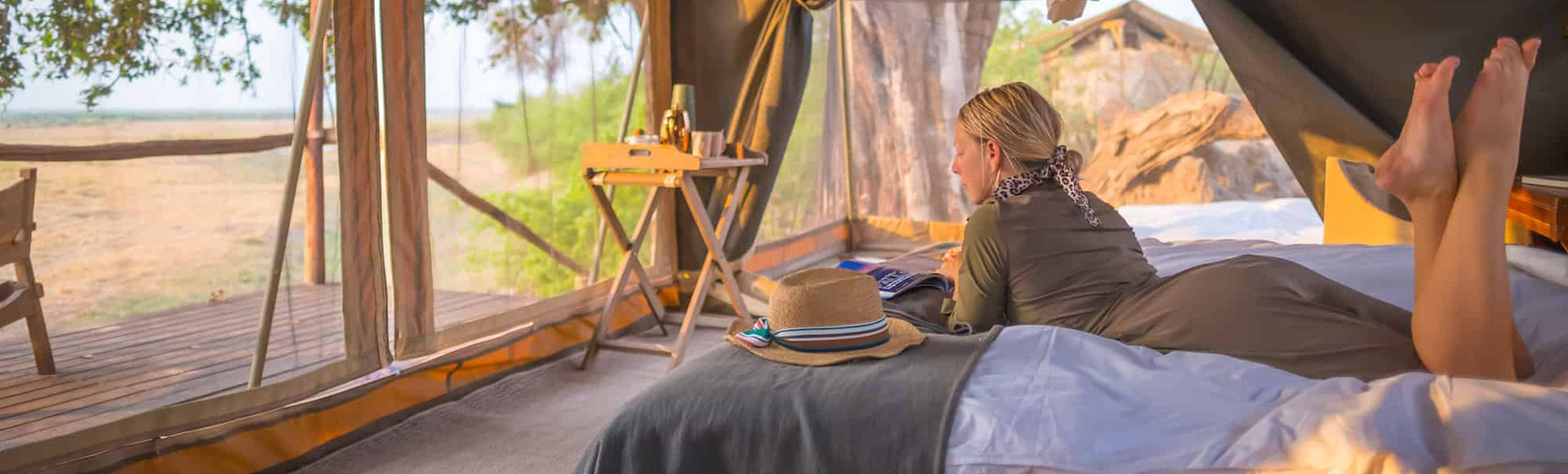
A private 5-day safari designed around the season, your guide tracks the migration herds in real time so you're always in the right place at the right time. Sleep under canvas inside the parks.
Day-by-day itinerary
- ArrArrival Day
Arrival Day
When you arrive at Kilimanjaro International Airport (JRO), a representative from Tanzania Travelers will meet you and transfer you to your hotel in Arusha. After your journey, you’ll have the rest of the day to relax and settle in. Your comfortable hotel offers everything you need for a pleasant stay, including well-appointed rooms, hot water, friendly service, Wi-Fi, and a swimming pool. This overnight stay in Arusha gives you time to rest and prepare for your safari adventure, which begins the following day. If you arrive at Jomo Kenyatta International Airport (JKIA) in Nairobi, Kenya, we can arrange a transfer to Arusha by shuttle bus.
Note: Hotel check-in starts at 2:00 PM.
Meals: Breakfast, DinnerArusha Planet Lodge - 1Day 1
Arusha → Tarangire National Park
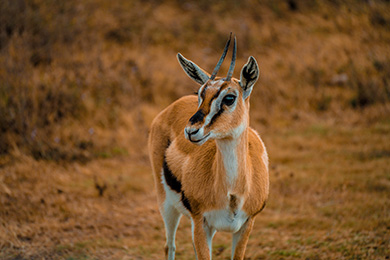
Your guide collects you from your Arusha hotel at around 08:00 for a briefing before the two-and-a-half hour drive to Tarangire Gate. The rest of the day is spent on game drives along the Tarangire River, where dry-season herds of elephant, zebra, wildebeest and buffalo concentrate under giant baobabs. Tarangire is also excellent for less common species, fringe-eared oryx, lesser kudu and gerenuk, and for birding, with over 500 species recorded. Picnic lunch in the park, then sundowners and dinner at camp.
Trip Essentials- Accommodation
- Tarangire Pure Tented Camp
- Accommodation type
- Tented Lodge
- Meal plan
- Picnic Lunch – Dinner in Lodge
- Mode of transport
- Private 4×4 SUV Vehicle
- Transfer duration
- Approximately 2.5 hours (Arusha → Tarangire)
- Game drive duration
- 5 – 6 hours
- Activity
- Game Drive Safari (Tarangire National Park)
- 2Day 2
Tarangire → Lake Manyara → Serengeti National Park
After breakfast you drive to Lake Manyara National Park for a morning game drive through groundwater forest, acacia woodland and the soda-lake shoreline, baboon troops, blue monkey, hippo, giraffe, flamingos and the park's famous tree-climbing lions. You then climb the Rift Valley escarpment through Karatu and cross the Ngorongoro highlands, stopping at the crater viewpoint before descending onto the open plains. Entering the Serengeti at Naabi Hill Gate, you game drive towards camp in the Seronera area as the light softens.
Trip Essentials- Accommodation
- Serengeti Pure Tented Camp
- Accommodation type
- Tented Lodge
- Meal plan
- Breakfast in Lodge – Picnic Lunch – Dinner in Lodge
- Mode of transport
- Private 4×4 SUV Vehicle
- Transfer duration
- Approximately 1.5 hours to Lake Manyara, then 5 hours to the Serengeti
- Game drive duration
- 5 – 6 hours
- Activity
- Game Drive Safari (Lake Manyara National Park and Serengeti National Park)
- 3Day 3
Serengeti National Park — full day
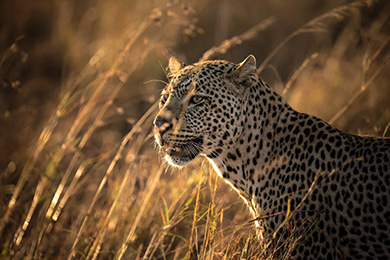
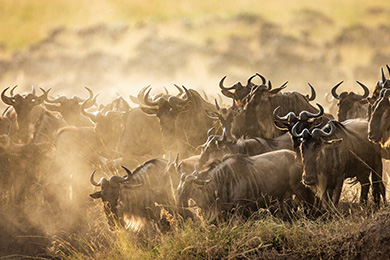
A full day in the Serengeti with an early start and a picnic lunch in the bush so you can stay out where the action is. Depending on the season your guide will track the migration herds, calving on the southern short-grass plains from December to March, moving north through the western corridor from May onwards, and the predators that shadow them. The Seronera valley and its granite kopjes are among the best places in Africa for lion and leopard, with cheetah on the open grassland. An optional sunrise balloon safari can be booked in advance.
Trip Essentials- Accommodation
- Serengeti Pure Tented Camp
- Accommodation type
- Tented Lodge
- Meal plan
- Breakfast in Lodge – Picnic Lunch – Dinner in Lodge
- Mode of transport
- Private 4×4 SUV Vehicle
- Transfer duration
- In-park driving only
- Game drive duration
- 8 – 9 hours
- Activity
- Full-day Game Drive Safari (Serengeti National Park)
- 4Day 4
Serengeti → Ngorongoro Crater rim
One last sunrise game drive through the plains while the cats are still active, then breakfast at camp. You leave the Serengeti mid-morning and drive back east across the Maasai grazing lands, with a stop at the Olduvai Gorge museum available on request, the site where the Leakeys uncovered some of the earliest hominin remains. You reach the Ngorongoro Crater rim in the late afternoon for sunset over the caldera, followed by dinner and overnight on the highlands.
Trip Essentials- Accommodation
- Embalakai Ngorongoro Camp
- Accommodation type
- Tented Lodge
- Meal plan
- Breakfast in Lodge – Picnic Lunch – Dinner in Lodge
- Mode of transport
- Private 4×4 SUV Vehicle
- Transfer duration
- Approximately 5 hours (Serengeti → Ngorongoro rim)
- Game drive duration
- 3 – 4 hours
- Activity
- Sunrise Game Drive Safari (Serengeti) and transfer to the Ngorongoro Highlands
- 5Day 5
Ngorongoro Crater → Arusha
An early breakfast and a dawn descent 600 m onto the crater floor, where roughly 25,000 large animals live year-round in one enclosed ecosystem. A full morning of game viewing gives you a strong chance of completing the Big Five, black rhino, big-maned lion, elephant bulls, buffalo and leopard along the Lerai forest edge, plus hyena, serval and flamingos on Lake Magadi. Picnic lunch by the hippo pool, then the drive back to Arusha via Karatu, arriving late afternoon.
Trip Essentials- Accommodation
- Arusha Planet Lodge
- Accommodation type
- Lodge / Hotel Accommodation
- Meal plan
- Breakfast in Lodge – Picnic Lunch
- Mode of transport
- Private 4×4 SUV Vehicle
- Transfer duration
- Approximately 4 hours (Ngorongoro → Arusha)
- Game drive duration
- 7 – 8 hours
- Activity
- Game Drive Safari (Ngorongoro Crater)
- DepDeparture Day
Departure Day
You will rest at the hotel and then head to the airport when it’s time for your flight. If you like, you can choose to take an extra trip to Zanzibar instead. This marks the end of your safari.
Note: Standard hotel check-out time is 11:00 AM. If your flight is later in the day and you require a late check-out, you can extend your stay for an additional cost.
Meals: Breakfast
Pricing per person
All-inclusive on the ground. Price per person decreases with group size.
| Group size | Price per person |
|---|---|
| 1 person | $4,040 |
| 2 people | $2,570 |
| 3 people | $2,490 |
| 4 people | $2,380 |
| 5 people | $2,220 |
| 6 people | $2,100 |
| Prices valid for current season bookings | |
What's included
Everything covered on the ground, and what's not.
The Trip Cost Includes
- Transfers to and from Kilimanjaro International Airport (JRO)
- New SUV (2016–2023) Land Cruiser 4×4 with pop-up roof
- Experienced English-speaking safari guide
- 24/7 phone support
The Trip Cost Excludes
- International air tickets
- Tanzania visa fees
- Travel insurance
- Any private expenses
Safari FAQs
The questions travellers ask most.
Have a question about 5 Days Safari?
Send us your enquiry and a Tanzania-based expert will get back to you within 24 hours with a personalised itinerary, pricing for your group size and answers to any questions you have.
- No deposit required to receive a quote
- Free date & itinerary changes before booking
- Direct reply from a real human, never a chatbot