January – February
ExcellentCalving season
Southern Serengeti & Ndutu
Wildebeest give birth on the nutrient-rich short-grass plains. Up to 500,000 calves are born in a few weeks; lions, cheetahs and hyenas follow the herds.


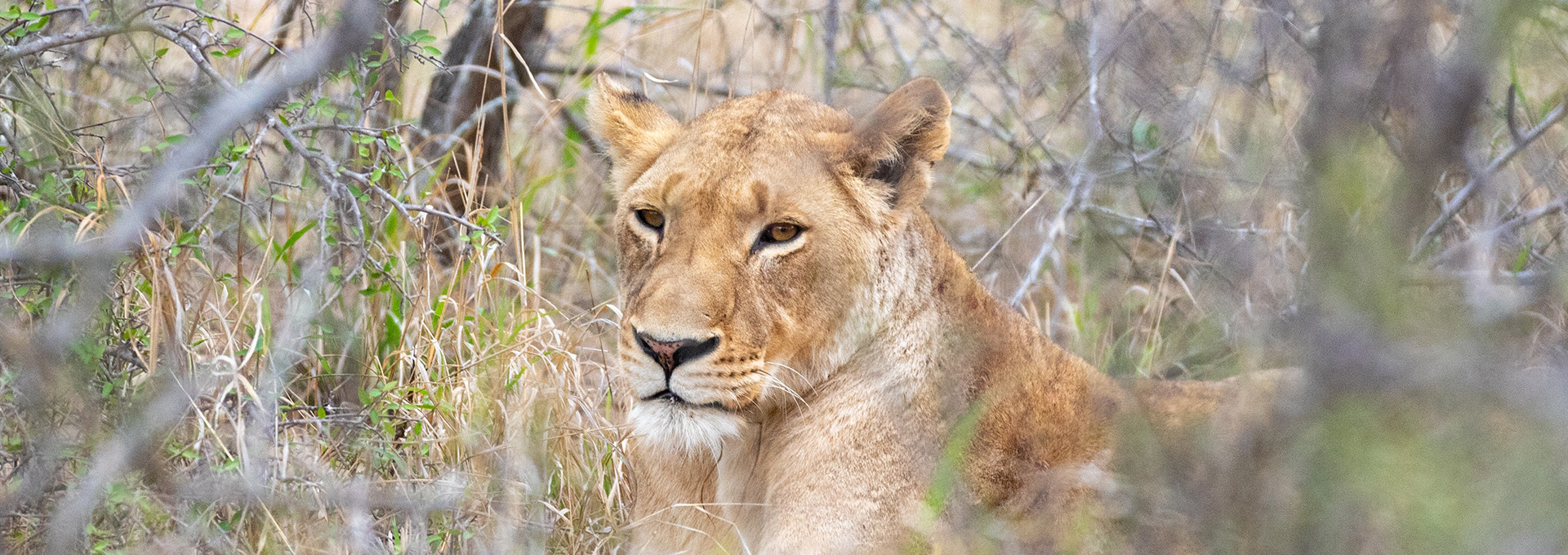
Tanzania’s flagship park, the stage for the Great Migration, and one of the best places on Earth to see lions, leopards, cheetahs and the Big Five in open savannah.
The Serengeti is Tanzania’s oldest national park, a UNESCO World Heritage site, and the centrepiece of the northern safari circuit. Its name comes from the Maasai word “Siringet”, endless plains, and that is exactly what you see: horizons of grassland interrupted by rocky kopjes, acacia woodland and river lines that support some of the highest predator densities in Africa.
The park is famous for the Great Migration, but the Serengeti is also outstanding outside migration months. Resident lions, leopards, cheetahs, elephants, giraffes, buffalo, hyenas, wild dogs and over 500 bird species live here year-round.
The migration is not a single event, it is a continuous grazing circle driven by rain. The herds move clockwise between the southern Serengeti, the western corridor, the north and back south. Your guide follows the action in real time.
Southern Serengeti & Ndutu
Wildebeest give birth on the nutrient-rich short-grass plains. Up to 500,000 calves are born in a few weeks; lions, cheetahs and hyenas follow the herds.
South & central Serengeti
The herds graze the last of the green before moving west. Heavy rains in April can make some tracks slippery, but the landscape is lush and crowds are low.
Grumeti River
The migration pushes north and west through the Western Corridor. Crocodile crossings at the Grumeti River offer quieter, less-photographed action than the Mara.
Northern Serengeti
The herds spread across the northern plains and cross the Mara River into Kenya and back. This is the dramatic, iconic river-crossing season.
Central & eastern Serengeti
Short rains refresh the plains and the herds drift back toward the south. Good value, excellent birding and fewer vehicles.
Lion prides on kopjes, leopards in sausage trees, cheetahs on open plains. The Serengeti is arguably the best place in Africa for all three.
Wildebeest, zebra and Thomson’s gazelle in columns that stretch for kilometres, with predators and scavengers following every move.
Elephant and buffalo are common, black rhino are found around Moru and northern areas, and lion and leopard are seen daily.
Over 500 species including ostrich, secretary bird, kori bustard, crowned cranes, vultures, eagles and seasonal migrants.
Kopjes, river lines and acacia woodland make this the best all-year area for lion, leopard and cheetah. Easy access and good lodges.
Calving happens here from January to March. The flat grasslands are perfect for cheetah sightings and dramatic predator action.
The Grumeti River crossings are quieter than the Mara, and the open woodlands attract elephant, giraffe and buffalo in big numbers.
The Mara River crossings and sweeping views over the Kenyan border make this the headline act during the dry season.
All of these are private departures with a 4×4 Land Cruiser, an English-speaking driver-guide and all park, conservation and crater fees included. The Serengeti needs at least two nights to do it justice.
| Itinerary | Nights in Serengeti | Other parks | 2 travellers | 6 travellers |
|---|---|---|---|---|
| 4 Days Safari 4 Days | 1 night | Tarangire, Ngorongoro | USD 2,300 | USD 1,860 |
| 5 Days Safari 5 Days | 2 nights | Tarangire, Ngorongoro | USD 2,570 | USD 2,100 |
| 6 Days Safari 6 Days | 3 nights | Tarangire, Ngorongoro | USD 3,195 | USD 2,300 |
Prices are per person in USD, including park, conservation and crater fees with VAT, full-board accommodation, a private 4×4 and airport transfers. See the Tanzania safari cost guide for a full breakdown.
The Serengeti is famous for the annual great wildebeest migration, roughly 1.5 million wildebeest and 250,000 zebra moving in a clockwise circle between Tanzania and Kenya, and for having one of the highest concentrations of big cats on Earth.
June to October is the easiest time for general game viewing, with sparse vegetation and animals near water. January and February are best for the calving season. July to October is best for the Mara River crossings in the north.
The Serengeti lies in northern Tanzania, stretching from the Kenyan border in the north to the Ngorongoro Conservation Area in the south-east. It is usually reached by road from Arusha (about 6–8 hours) or by light aircraft from Arusha or Zanzibar.
The national park covers 14,750 km² (about 5,700 sq mi), making it one of the largest protected savannah ecosystems in Africa. The wider Serengeti-Mara ecosystem is roughly 30,000 km².
Yes, all five are present. Lion, leopard and elephant are seen on most multi-day safaris. Buffalo are common, and black rhino are found in the Moru Kopjes area and the northern Serengeti, though they are shyer than the other four.
At least two full nights. A single day means long drives and little game time. Three to five nights lets you cover different regions, catch sunrise and sunset drives, and follow the migration without rushing.
No, they are separate protected areas, but they sit next to each other and are almost always combined on a northern-circuit safari. Many itineraries spend one morning in Ngorongoro and the next two or three days in the Serengeti.
Neutral-coloured clothing, a warm fleece for early mornings, a wide-brim hat, sunglasses, high-SPF sunscreen, binoculars, a camera with spare batteries and a power bank. See our Tanzania safari packing list for the full checklist.
Tell us your travel dates, group size and the migration events you most want to see. We will recommend the right Serengeti region, the best lodges or camps for your budget, and how to combine it with the Ngorongoro Crater and Tarangire.