
Kilimanjaro packing list & preparation guide
Everything our guides in Moshi tell clients before a climb, the full gear checklist by category, porter weight limits, a 12-week training plan and how to prepare your body for 5,895 m.
The complete Kilimanjaro packing list
Work through the eight categories below. Items marked rentable can be hired in Moshi and checked at your pre-climb briefing, so you do not have to buy a full expedition wardrobe for one trek.
Head, hands & base layers
Layers you will live in from the rainforest to the crater rim.
- Warm insulated hat (beanie) for summit night
- Sun hat or cap with neck cover
- Balaclava or buff for wind and dust
- Sunglasses, UV category 3–4
- Thin liner gloves + insulated waterproof mittens
- 3–4 moisture-wicking long-sleeve base layers
- 2 pairs thermal base-layer bottoms (merino or synthetic)
- Sports bras / quick-dry underwear for 7–8 days
Mid & outer layers
Summit night can hit -15°C to -20°C with wind chill.
- Fleece or soft-shell mid layer
- Insulated down jacket (800-fill or equivalent)
- Waterproof, breathable hard-shell jacket with hood
- Waterproof over-trousers (side zips preferred)
- 2 pairs hiking trousers, one convertible
- Lightweight fleece trousers for camp
Footwear
The single most important category, nothing new on the mountain.
- Waterproof mid/high-cut hiking boots, well broken in
- Trainers or camp shoes for evenings
- 4–5 pairs wool or synthetic hiking socks
- 1 pair thick thermal socks for summit night
- Gaiters for scree and dust
- Blister kit: tape, plasters, moleskin
Sleeping & camp
Provided by us unless marked personal, check your briefing list.
- 4-season sleeping bag rated to -10°C or colder (rentable)
- Inflatable or foam sleeping mat (we provide foam)
- Headtorch + spare batteries (cold drains them fast)
- Trekking poles, adjustable (rentable)
- Quick-dry travel towel and wet wipes
- Earplugs and a lightweight pillow or stuff sack
Hydration & daypack
You carry only what you need between camps.
- 30–35 L daypack with rain cover
- 3 L hydration bladder plus a 1 L wide-mouth bottle
- Insulated bottle cover, bladder hoses freeze on summit night
- Water purification tablets or drops
- Snacks: energy bars, nuts, dried fruit, electrolyte sachets
- Dry bags to keep layers and electronics dry
Health & toiletries
Our guides carry oxygen, a first-aid kit and a pulse oximeter.
- Personal medication in original packaging
- Acetazolamide (Diamox) if prescribed by your doctor
- Ibuprofen / paracetamol, anti-diarrhoeal, rehydration salts
- Sunscreen SPF 50+ and SPF lip balm
- Hand sanitiser, toothbrush, biodegradable soap
- Toilet paper and a small ziplock for waste
Documents & money
Keep originals in a waterproof pouch, plus digital copies.
- Passport valid 6 months beyond travel, with Tanzania visa
- Travel insurance covering trekking to 6,000 m and evacuation
- Yellow fever certificate if arriving via an endemic country
- Flight and hotel confirmations
- USD cash in small notes for tips and extras
- Debit/credit card (ATMs available in Moshi and Arusha)
Packing & weight rules
Park and KPAP porter-welfare limits are strictly enforced.
- One soft duffel or kit bag, maximum 15 kg for your porter
- Daypack you carry yourself, typically 5–7 kg
- Total porter load capped at 20 kg by park regulation
- Extra luggage stored free at your Moshi hotel
- Pack layers in colour-coded dry bags for fast camp changes
- Label your duffel clearly with your name and route
A 12-week Kilimanjaro training plan
Kilimanjaro asks for endurance rather than speed: 5–7 hours of walking a day, on consecutive days, at altitude. The most valuable training you can do is simply walking uphill with a loaded daypack in the boots you will wear on the mountain.
| Phase | Weeks | Focus | Weekly sessions |
|---|---|---|---|
| Phase 1 — Base | Weeks 1–3 | Build aerobic base and get comfortable in your boots | 3 × 40–50 min brisk walks or jogs · 1 × 2-hour hike · 2 × full-body strength |
| Phase 2 — Build | Weeks 4–7 | Add vertical gain and time on feet | 3 × 60 min cardio (include hills or stairs) · 1 × 4-hour hike with 6 kg pack · 2 × legs, glutes, core |
| Phase 3 — Peak | Weeks 8–10 | Back-to-back hiking days, exactly like the mountain | 3 × 60–75 min cardio · Saturday 5–6 hour hike + Sunday 3-hour hike with 8 kg pack · 2 × strength |
| Phase 4 — Taper | Weeks 11–12 | Recover, stay loose, arrive fresh | Halve the volume, keep intensity light, 1 × 2-hour hike, stretch and sleep well |
Altitude & acclimatisation
Choose a longer itinerary, 7 or 8 days on Lemosho gives your body far more time to adapt than a 5-day climb. On the mountain: walk pole pole (slowly), drink 3–4 litres a day, eat even without appetite, and report headaches or nausea to your guide early.
Hydration & nutrition
Dehydration mimics altitude sickness. Aim for 3–4 litres daily, add electrolytes, and keep salty and sweet snacks in your daypack. Insulate your bladder hose and sleep with your bottle inside your sleeping bag on summit night.
Health & paperwork
Book a travel-clinic appointment 6–8 weeks out for vaccinations and to discuss Diamox. Confirm your insurance covers trekking to 6,000 m plus helicopter evacuation, and carry a printed copy of the policy.
What we provide, and what you bring
Included in your climb
- Mountain tents, sleeping mats and mess tent
- All meals, hot drinks and filtered drinking water
- Professional guides, cook and porters
- Park fees, camping/hut fees and rescue fees
- Emergency oxygen, pulse oximeter and first-aid kit
- Airport transfers and Moshi hotel luggage storage
Bring or rent yourself
- Personal clothing, boots and sleeping bag (rental available)
- Trekking poles, gaiters and headtorch
- Tanzania visa and travel insurance
- Tips for the mountain crew
- Personal medication and toiletries
- Alcoholic and bottled drinks in hotels
Kilimanjaro preparation FAQs
What should I pack for Kilimanjaro?
Pack in three layers: moisture-wicking base layers, an insulating mid layer (fleece and a down jacket) and a waterproof, windproof hard shell. Add broken-in waterproof boots, 4–5 pairs of hiking socks, warm gloves and mittens, a warm hat and sun hat, sunglasses, a headtorch, a 4-season sleeping bag rated to -10°C, a daypack of 30–35 litres and a duffel bag under 15 kg for your porter.
How much weight can my porter carry?
Kilimanjaro National Park and KPAP rules limit each porter to 20 kg total, of which a maximum of 15 kg is your personal duffel. Anything over that has to be repacked or left at your hotel in Moshi, where we store it free of charge.
How fit do I need to be to climb Kilimanjaro?
Kilimanjaro is a long walk, not a technical climb, no ropes or climbing skill is needed. You should be able to hike 5–7 hours on consecutive days over uneven ground. Most trekkers who train consistently for 8–12 weeks with hill walking and cardio work summit comfortably.
How long should I train for Kilimanjaro?
Allow 8–12 weeks of focused preparation. Build to one long hike of 5–6 hours each weekend with a loaded daypack, 3 cardio sessions a week, and 2 strength sessions focused on legs, glutes and core.
Can I rent gear in Moshi instead of buying it?
Yes. Down jackets, waterproof shells, sleeping bags, trekking poles, gaiters and duffel bags can all be rented in Moshi at modest daily rates and inspected at your pre-climb briefing. Boots are the one item you should always bring already broken in.
Do I need altitude sickness medication?
Many trekkers carry acetazolamide (Diamox) as a preventative. It is a prescription decision, speak to your doctor or travel clinic before you fly. On the mountain, your guides carry oxygen and a pulse oximeter and check your oxygen saturation twice a day.
Ready to pick your route?
Compare Lemosho, Machame, Marangu and Rongai side by side, itineraries, prices and summit success rates, then talk it through with our Moshi team.
Rest and acclimatisation days around Moshi
Arriving early or resting after your climb? These short trips from Moshi pair well with a Kilimanjaro itinerary.
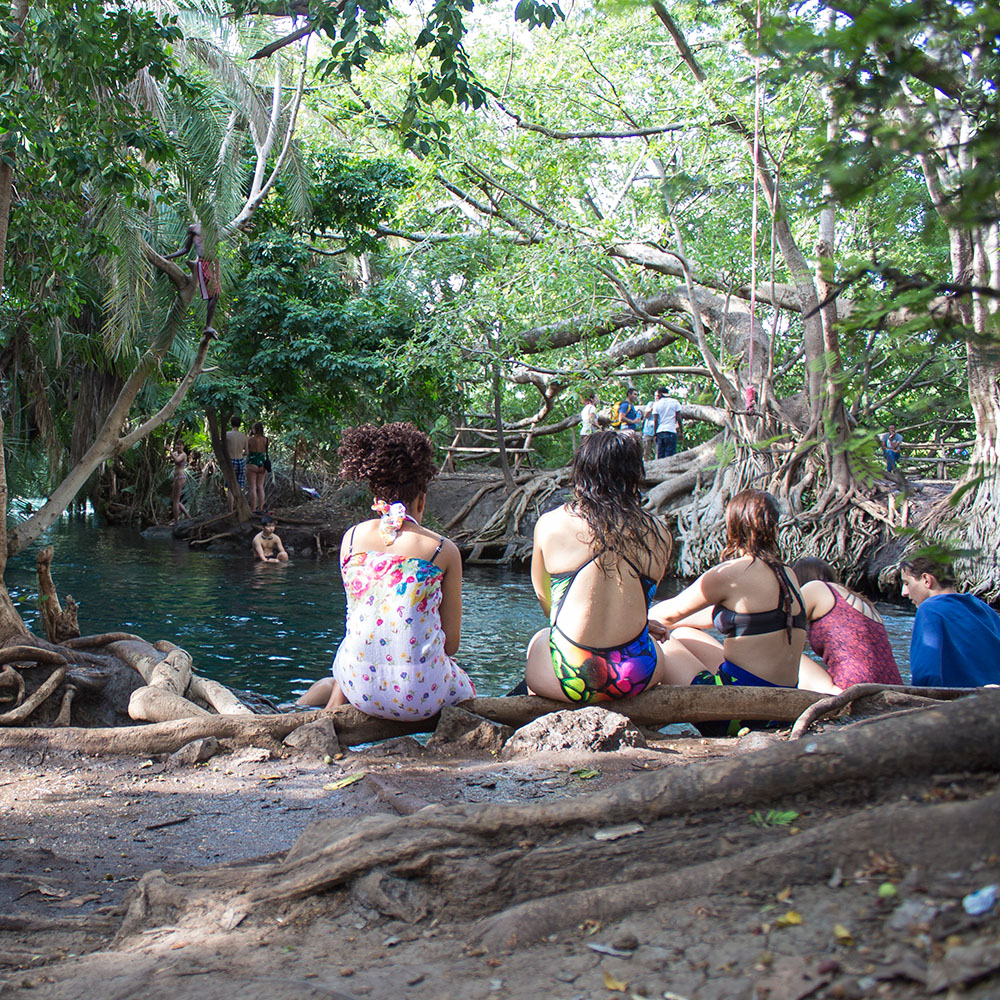
Kikuletwa Hot Springs
Turquoise spring-fed pools in a palm oasis
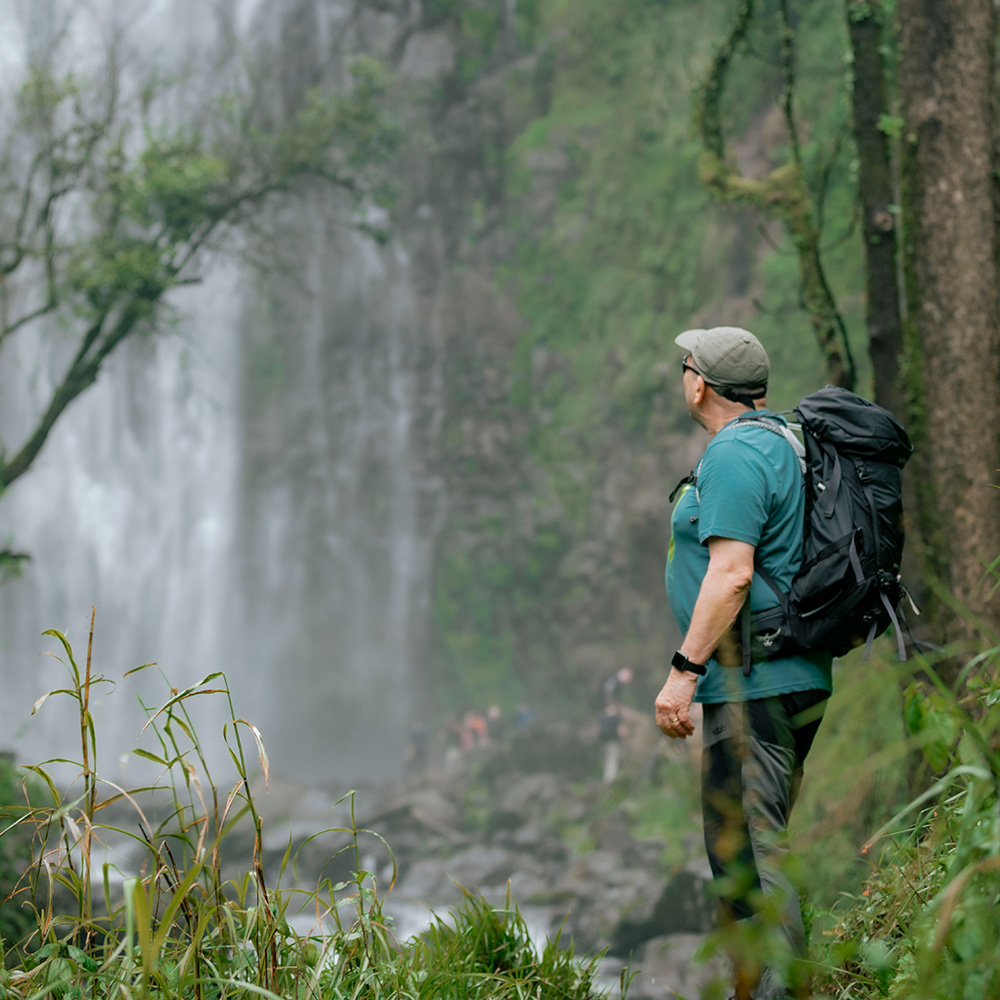
Materuni Waterfalls & Coffee
A Chagga village, a 80 m waterfall and coffee you roast yourself
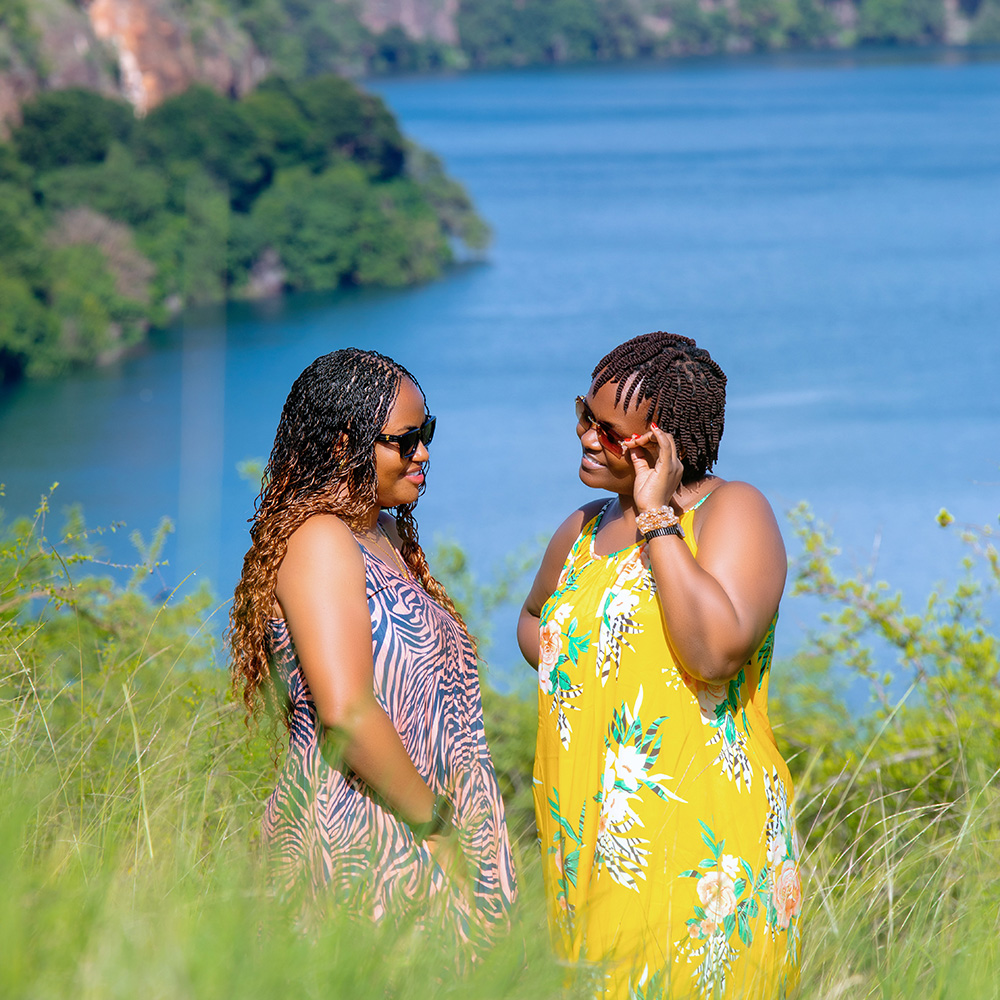
Lake Chala
A crater lake on the Kenya border, turquoise and quiet