
Training for Kilimanjaro: a 12-week plan
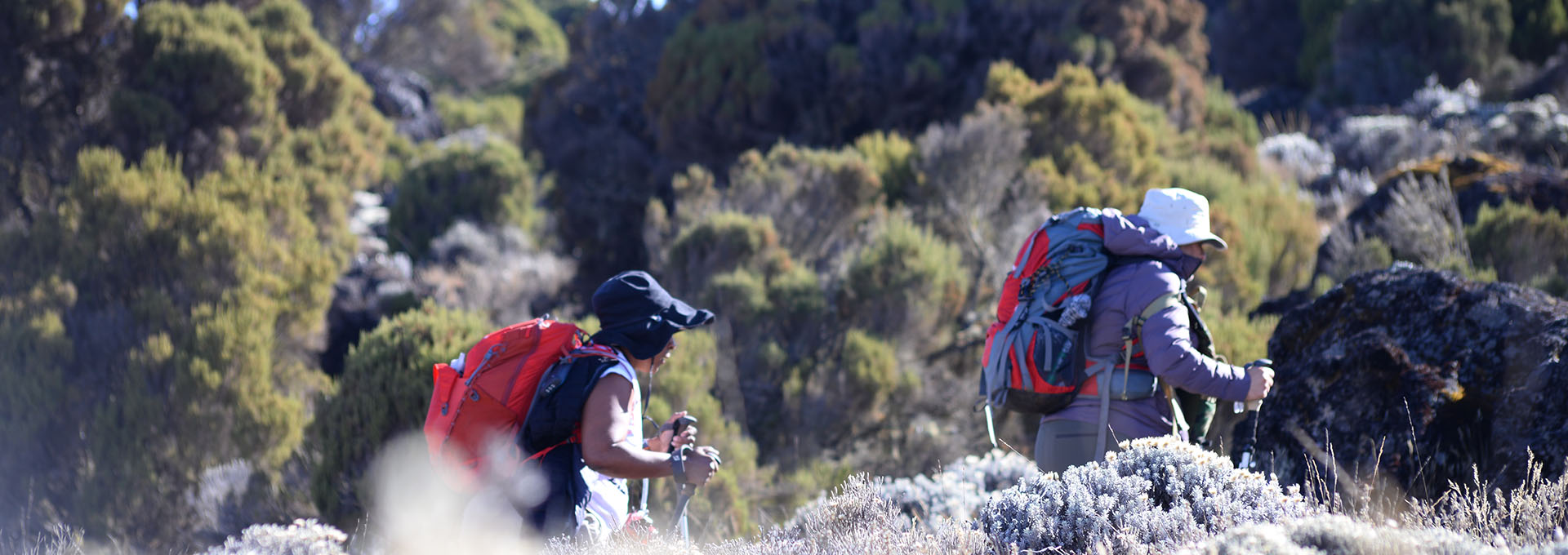
Kilimanjaro is a long walk at high altitude, not a technical climb, no ropes, no scrambling, just six to eight days on your feet. Here is the straightforward training that gets you ready, plus the slow “pole pole” pacing and acclimatisation habits that actually get you to Uhuru Peak.
Do you need to train for Kilimanjaro?
Yes. You do not need climbing skill, but you will trek 5–7 hours a day for six to eight consecutive days at altitude, and the fitter and more foot-sure you arrive, the more you enjoy it and the better you acclimatise. Climbers who train consistently summit far more often than those who rely on general fitness alone.
The good news is that the preparation is ordinary: walk a lot, strengthen your legs and core, and build up slowly under a loaded pack. You do not need a gym membership, a personal trainer or marathon-level cardio, you need time on your feet and a bit of structure.
The most common mistake is treating Kilimanjaro like a fitness test. It is not the strongest climbers who summit; it is the steadiest. Endurance, patience and pacing beat raw power every time, because the thing that stops people is almost always altitude, not fitness. Train so you can walk slowly, all day, for a week, and you are ready.
A 12-week Kilimanjaro training plan
Three phases, foundation, build, peak & taper. The aim is simple: arrive able to walk 5–7 hours a day, several days running, carrying a light pack. Adapt the volume to your starting point; the progression matters more than any single number.
| Phase | Weeks | Focus | A typical week |
|---|---|---|---|
| Foundation | Weeks 1–2 | Build a base of regular movement. | 3 cardio sessions of 30–40 min (brisk walking, easy jogging or cycling), 2 short strength sessions, one 2–3 hour walk on rolling ground. |
| Foundation | Weeks 3–4 | Add time on your feet. | Cardio up to 40–50 min, one weekend hike of 4 hours. Begin step-ups and core work twice weekly. |
| Build | Weeks 5–6 | Introduce a loaded daypack. | Weekend hike 5 hours carrying 5–8 kg. Add one hill or stair session (30 min up, easy down). Strength 2× per week. |
| Build | Weeks 7–8 | Raise endurance and leg strength. | Two back-to-back weekend walks of 4–5 hours each, pack to 8–10 kg. Strength focus on quads, calves and glutes. |
| Peak & taper | Weeks 9–10 | Peak volume, longest walks. | One 6–7 hour hike with a 10–12 kg pack plus a 4-hour walk the next day. Cardio 3×, strength maintained but not pushed. |
| Peak & taper | Week 11 | Begin tapering, keep frequency, cut volume. | Maintain 3 easy cardio sessions of 30 min and one relaxed 3-hour walk. No heavy strength. Prioritise sleep and hydration. |
| Peak & taper | Week 12 | Rest and travel. | Two easy 20–30 min walks, light stretching. Fly out rested. No cramming, fitness is already banked. |
Always ease back if you feel sharp pain or illness, consistency over 12 weeks beats one heroic session that sidelines you for a fortnight.
Six strength exercises that translate to the trail
Two short sessions a week is enough. Focus on the legs, glutes and core that carry you uphill and, just as importantly, brace you on the long descents.
Step-ups
Mimics the steady uphill stride you will repeat for thousands of metres.
3 sets of 15–20 per leg, on a 30–40 cm step.
Squats
Builds the quad and glute strength that protects knees on long descents.
3 sets of 12–15, progressing to weighted.
Calf raises
Calves work constantly on the trail and cramp first when fatigued.
3 sets of 20, single leg as you progress.
Plank & side plank
A strong core keeps your pack stable and posture upright hour after hour.
3 × 45–60 sec plank, 2 × 30 sec each side.
Lunges
Single-leg strength and balance for uneven, rocky ground.
3 sets of 12 per leg.
Downhill walking
Descent, not ascent, is what leaves most climbers sore.
Include deliberate downhill sections on every weekend hike.
Fitness gets you to camp. Pacing gets you to the summit.
At Uhuru Peak there is roughly half the oxygen available at sea level. Almost every climber feels it, most cope well, and a minority need to descend. Altitude, not fitness, is the main reason people do not summit, so these habits matter as much as any training session.
Walk pole pole — slowly, slowly
Pole pole is the Kiswahili phrase our guides repeat all the way to the summit. Walking deliberately slower than you think you need to is the single most effective acclimatisation habit there is. Racing to camp raises your heart rate and burns the oxygen budget that lets you adapt.
Climb high, sleep low
Every route we run is chosen for its acclimatisation profile. On several days you climb to a viewpoint or ridge during the afternoon and drop back down to sleep, giving your body altitude exposure without forcing it to recover at the highest point reached.
Daily health checks
Your guide records pulse oximetry, heart rate and a Lake Louise AMS score each morning and evening. The trend, not one reading, tells us whether to push on, hold, or descend. Report any headache, nausea or dizziness immediately; honesty here is how we keep people safe.
Hydrate more than feels natural
Dry mountain air and exertion quietly dehydrate you. Aim for 3–4 litres a day and let your urine run pale. Dehydration mimics and worsens altitude symptoms, so drinking is genuine altitude preparation, not just comfort.
Choose a longer itinerary
Across every route, adding a day raises summit probability more than any week in the gym. We recommend 7 and 8-day itineraries over 5 and 6-day ones because each extra night of acclimatisation is the biggest single lever you control.
Carry what your doctor advises
Many trekkers carry acetazolamide (Diamox) as a preventative, a prescription decision to make with your doctor or travel clinic before you fly. On the mountain, every climb carries emergency oxygen and a pulse oximeter, and guides are trained to manage and, if needed, evacuate.
Do
- Train consistently for 8–12 weeks, regularity beats intensity.
- Build to one long, loaded weekend hike per week.
- Strengthen legs, glutes and core twice weekly.
- Practise downhill walking; it is where most soreness comes from.
- Break in your boots on training hikes, never on the mountain.
- Walk slowly on the trail, pole pole is your best acclimatisation tool.
Avoid
- Don't cram missed sessions into the final week, rest then.
- Don't assume being a runner is enough; time-on-feet is different.
- Don't race ahead of your guide to reach camp early.
- Don't hide altitude symptoms from your guide to keep going.
- Don't train through illness or a fever in the last fortnight.
- Don't skip hydration on the mountain, dehydration mimics AMS.
Match the route to your fitness and dates
You have the training. Now pick the route that matches it. Tell us your fitness level, how many days you have and when you want to climb, and our route recommender will suggest the itinerary that gives you the best realistic chance of summiting.
Kilimanjaro training FAQs
How to train for Kilimanjaro?
Train for Kilimanjaro with a 12-week plan built around three things: endurance, leg and core strength, and time on your feet. Aim for three cardio sessions a week, two strength sessions focused on step-ups, squats, calves and core, and one progressively longer weekend hike carrying a loaded daypack, building to a 6–7 hour hike by week 10. Kilimanjaro is a long walk at altitude, not a technical climb, so endurance and slow pacing matter far more than peak fitness.
How long does it take to train for Kilimanjaro?
Allow 8–12 weeks of focused preparation. If you already hike regularly and are generally active, 8 weeks is enough to add loaded hill walking and strength work. If you are starting from a sedentary base, give yourself the full 12 weeks so you can build a cardio base before adding the longer, loaded hikes in the second half of the plan.
Do you need to train for Kilimanjaro?
Yes. No technical climbing skill is required, but you will trek 5–7 hours a day for six to eight consecutive days at high altitude. Climbers who train consistently summit far more often than those who rely on general fitness alone. You should be comfortable hiking several hours over uneven ground, day after day, before you fly out.
How fit do I need to be to climb Kilimanjaro?
You need good hiking fitness rather than athletic fitness: the ability to walk 5–7 hours on consecutive days carrying a light daypack, over uneven and sometimes steep ground. You do not need to run marathons or lift heavy weights. A modest, consistent 12-week plan of walking, cardio and leg strength is enough for the vast majority of healthy adults.
Does training help with altitude on Kilimanjaro?
Training builds the stamina to walk slowly for many days, which directly helps you acclimatise. But fitness does not prevent altitude sickness. Altitude, not fitness, is what turns most climbers around. The habits that actually protect you on the mountain are walking pole pole (slowly), climbing high and sleeping low, hydrating heavily, and choosing a longer 7–8 day itinerary for more acclimatisation nights.
Should I train with a weighted backpack?
Yes. From about week 5, do your long weekend hikes with a loaded daypack, building from 5 kg up to 10–12 kg by week 10. On the mountain your porter carries your main duffel and you only carry a daypack of 5–8 kg, but training heavier than that makes the real thing feel easy and toughens your feet, shoulders and back.
What is the best exercise for Kilimanjaro?
Long, loaded hill walking is the single most specific exercise for Kilimanjaro. Pair it with step-ups (which mimic the steady uphill stride) and squats and calf raises for leg strength. If you live somewhere flat, stairs and a treadmill set to a steep incline are a good substitute for the uphill work.
Ready to plan your climb?
Send us your dates and fitness level and a real guide, not a chatbot, will reply within 24 hours with a personal recommendation. No deposit required.
Rest and acclimatisation days around Moshi
Arriving early or resting after your climb? These short trips from Moshi pair well with a Kilimanjaro itinerary.
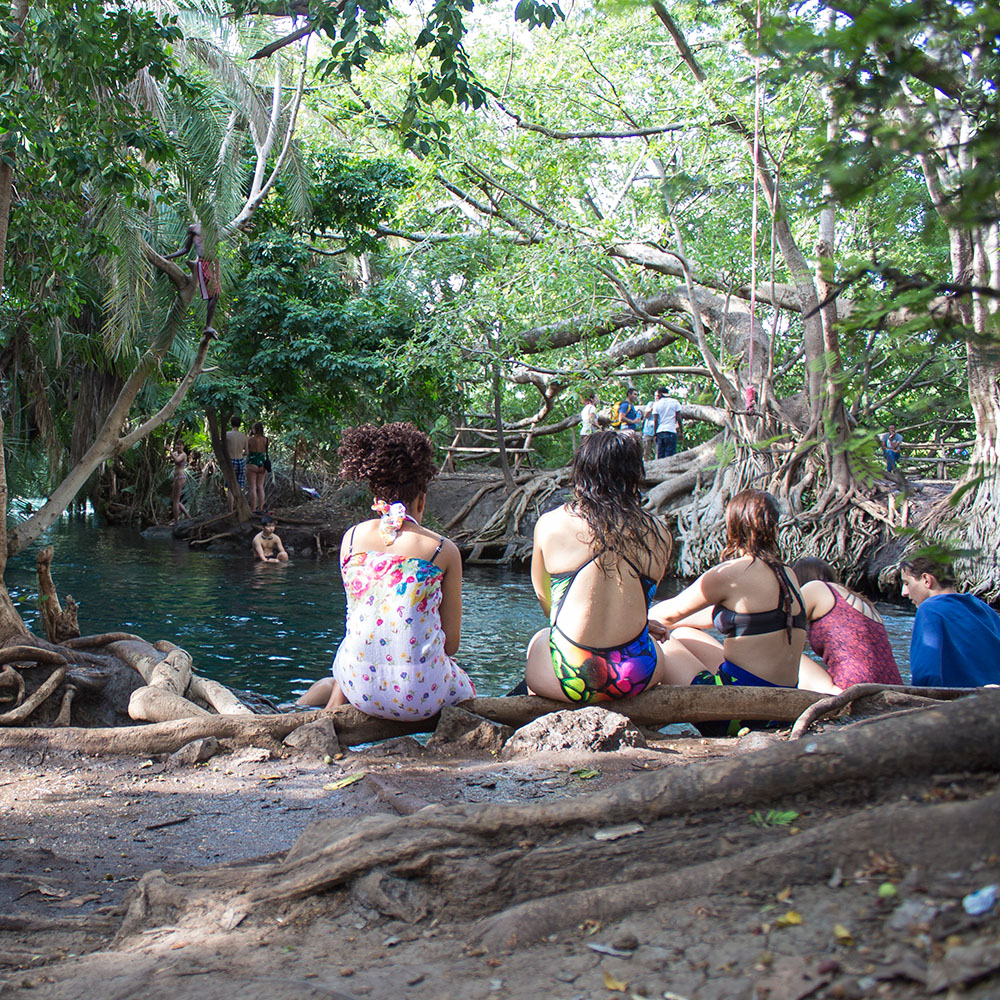
Kikuletwa Hot Springs
Turquoise spring-fed pools in a palm oasis
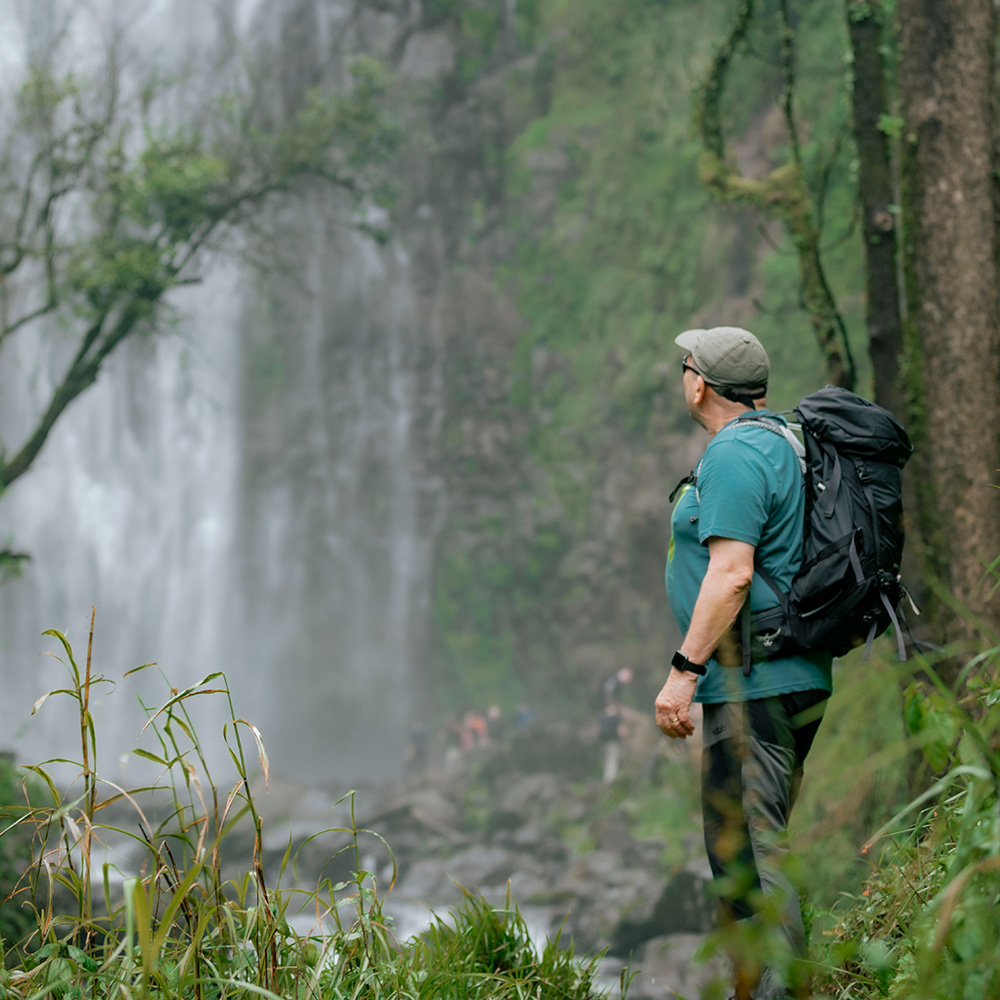
Materuni Waterfalls & Coffee
A Chagga village, a 80 m waterfall and coffee you roast yourself
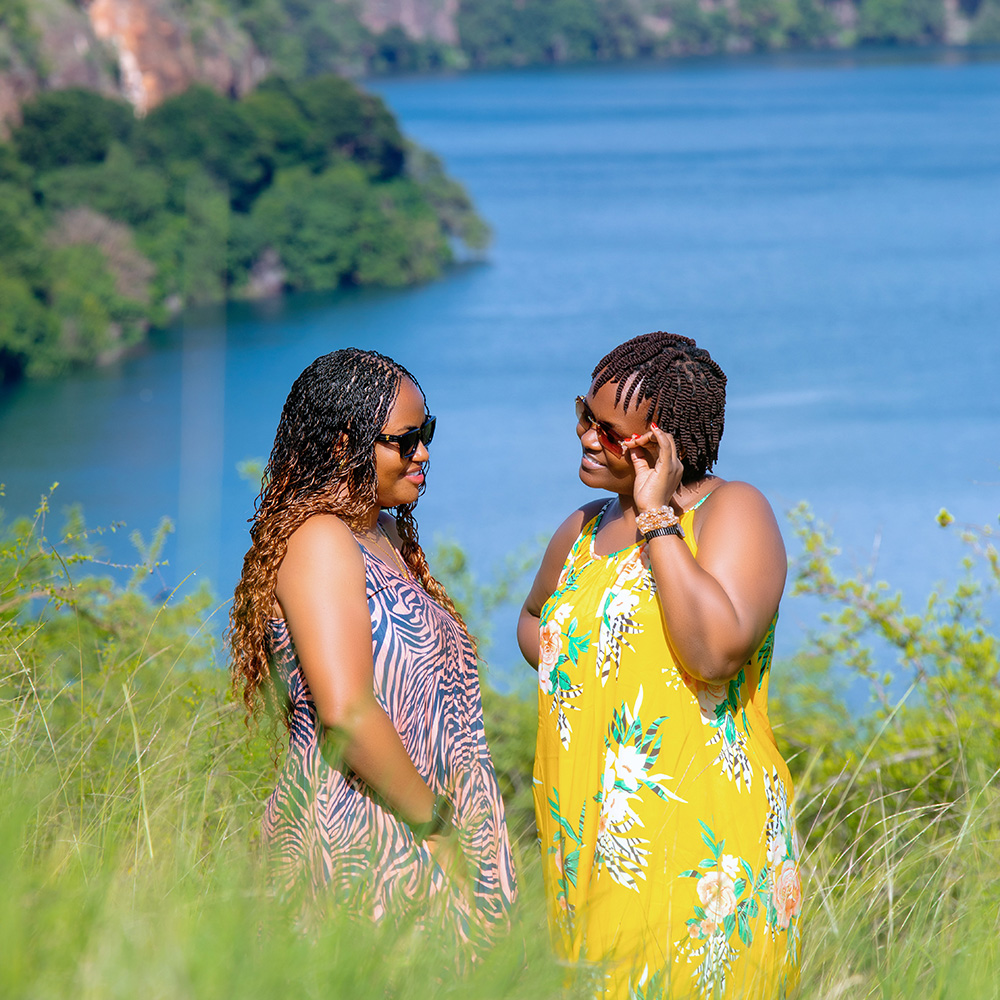
Lake Chala
A crater lake on the Kenya border, turquoise and quiet