
Kilimanjaro success rate by route
Around two thirds of climbers reach Uhuru Peak each year. Our climbers summit at 97%. Here is exactly where that difference comes from, route length, acclimatisation protocol, daily health checks and guide training, with a route-by-route comparison.
Success rates for Lemosho, Machame, Rongai and Marangu
Route choice matters far less than route length. The same path climbed one day slower can move your odds by 15 percentage points. Park-wide averages below are the widely published figures for all operators; our rates are what our own climbers achieve on private departures.
| Route | Length | Our success rate | Park-wide average | Why it performs this way |
|---|---|---|---|---|
| Lemosho | 8 days | 97–98% | ~90% | Longest acclimatisation profile, western approach, two nights above 3,900 m before summit night. |
| Lemosho | 7 days | 95–97% | ~85% | Same scenic western approach with one less acclimatisation day — still one of the strongest options. |
| Machame | 7 days | 95–97% | ~85% | Classic 'Whiskey' route with the Karanga day added, giving a proper climb-high-sleep-low pattern. |
| Machame | 6 days | 88–92% | ~70% | Barranco to Barafu in one push; fit, well-prepared climbers do well but there is no spare day. |
| Rongai | 7 days | 94–96% | ~80% | Drier northern approach with the Mawenzi Tarn acclimatisation night before the summit bid. |
| Rongai | 6 days | 88–92% | ~70% | Gentler gradient than Machame, but the altitude gain per day is high without the extra night. |
| Marangu | 6 days | 85–90% | ~65% | Hut route with an added Horombo acclimatisation day, which lifts it well above the 5-day version. |
| Marangu | 5 days | 70–75% | ~50% | The shortest itinerary on the mountain: same ascent and descent path, fastest altitude gain, lowest success. |
Kilimanjaro National Park does not publish official per-route statistics, so park-wide figures are the accepted operator estimates. Our figures are our own climb records and vary slightly year to year with weather and group profile.
The acclimatisation and safety protocol behind the number
A high summit rate is not luck or marketing, it is six habits repeated on every climb. None of them are exotic; most operators simply do not enforce them on shorter, cheaper itineraries.
Twice-daily health checks
Your guide records pulse oximetry, heart rate and a Lake Louise AMS score every morning and evening, so a problem is caught while it is still a headache and not an evacuation. Readings are written down and reviewed as a trend, not a single number.
Pole pole pacing
Guides deliberately set a slower pace than most climbers would choose alone. Walking too fast on days 1–3 is the single most common reason strong, fit people fail, you arrive at camp with a headache instead of acclimatised.
Climb high, sleep low
Where the route allows we add an afternoon acclimatisation walk above camp (Lava Tower, Mawenzi ridge, Zebra Rocks) and descend to sleep. That extra 200–400 m of exposure without sleeping high measurably improves summit-night performance.
One extra day where it counts
We recommend 7 and 8-day itineraries over 5 and 6-day ones for a reason: on Kilimanjaro each extra acclimatisation night buys more summit probability than any amount of gym training.
Oxygen, oximeter and evacuation plan
Every climb carries bottled emergency oxygen, a pulse oximeter and a first-aid kit, with a written descent and evacuation plan for each camp. Oxygen is for emergencies and descent, never used to push someone higher.
Trained, certified guides
Our lead guides are licensed by Kilimanjaro National Park, hold Wilderness First Responder-level first aid, and have 8–15 years on the mountain. Assistant guides mean the group can split so one climber turning back does not end anyone else's climb.
What raises, and lowers, your chance of reaching Uhuru Peak
Do
- Choose 7 or 8 days if your budget allows, it is the biggest single factor
- Train with long back-to-back hiking days, not just cardio at the gym
- Drink 3–4 litres a day and eat at every meal, even without appetite
- Walk slower than feels natural for the first three days
- Report headaches, nausea or dizziness to your guide immediately
- Discuss Diamox with your own doctor before you fly
Avoid
- Do not book a 5-day Marangu climb as your first high-altitude trek
- Do not race ahead of your guide to reach camp early
- Do not skip meals or ration water to avoid toilet stops
- Do not hide symptoms hoping they will pass by summit night
- Do not fly in the day before, arrive with a rest day in Moshi
- Do not take sleeping pills at altitude; they suppress breathing
KPAP Partner, TATO member, 10+ years on the mountain
Our porters are paid proper wages before any tip, carry no more than the 20 kg park limit, eat three cooked meals a day and are equipped with sleeping bags, jackets and boots. Lead guides are park-licensed with wilderness first-aid training, and every climb carries emergency oxygen, a pulse oximeter and a written evacuation plan. Those standards are why crews stay with us for years, and experienced crews are the quietest reason our summit success rate holds at 97%.
Kilimanjaro success rate FAQs
What is the success rate on Kilimanjaro?
Across all operators and itineraries, roughly two thirds of climbers reach Uhuru Peak, with park-wide averages ranging from about 50% on 5-day Marangu climbs to around 90% on 8-day routes. Our own summit success rate is 97%, because we run mostly 7 and 8-day private itineraries with daily health checks and enforced slow pacing.
Which Kilimanjaro route has the highest success rate?
The 8-day Lemosho route has the highest success rate, 97–98% with us, thanks to its long acclimatisation profile and two nights above 3,900 m before summit night. The 7-day Lemosho and 7-day Machame follow closely at 95–97%.
Why is the 5-day Marangu success rate so low?
Marangu in 5 days gains altitude faster than any other itinerary on the mountain and gives you no acclimatisation day at all. Park-wide it sits near 50%; adding a single night at Horombo (the 6-day version) lifts it to roughly 65% park-wide and 85–90% with us.
Does adding a day really improve my chances?
Yes, and more than almost anything else you can control. Each additional acclimatisation night gives your body time to produce red blood cells and adjust breathing. Going from 6 to 7 days on Machame typically moves a climber from around 70% to around 85% park-wide odds.
How does fitness affect Kilimanjaro success rates?
Fitness helps you enjoy the trek and cope with a 12-hour summit night, but it does not prevent altitude sickness, very fit climbers often fail because they walk too fast early on. Aim to hike 5–6 hours on consecutive days comfortably, then let your guide set the pace on the mountain.
What is the most common reason climbers do not summit?
Acute mountain sickness caused by ascending too quickly, followed by dehydration, poor eating at altitude, and inadequate warmth on summit night. All four are largely preventable with a longer itinerary, disciplined pacing and honest reporting of symptoms.
Do KPAP standards affect summit success?
Indirectly, yes. As a KPAP Partner and TATO member, our porters are fairly paid, properly fed and equipped, and carry no more than the 20 kg limit. Well-treated crews stay with the company for years, and experienced crews spot altitude problems earlier and keep camps running smoothly in bad weather.
What happens if I have to turn back?
An assistant guide escorts you down to a safe altitude while the rest of your group continues, nobody's climb ends because of one person. Descent is the treatment for altitude sickness and it works quickly; emergency oxygen is carried on every climb for the walk out.
Want the route with your best odds?
Tell us your dates, fitness and how many days you have. We will recommend the itinerary that gives you the highest realistic chance of standing on Uhuru Peak, no deposit required.
Rest and acclimatisation days around Moshi
Arriving early or resting after your climb? These short trips from Moshi pair well with a Kilimanjaro itinerary.
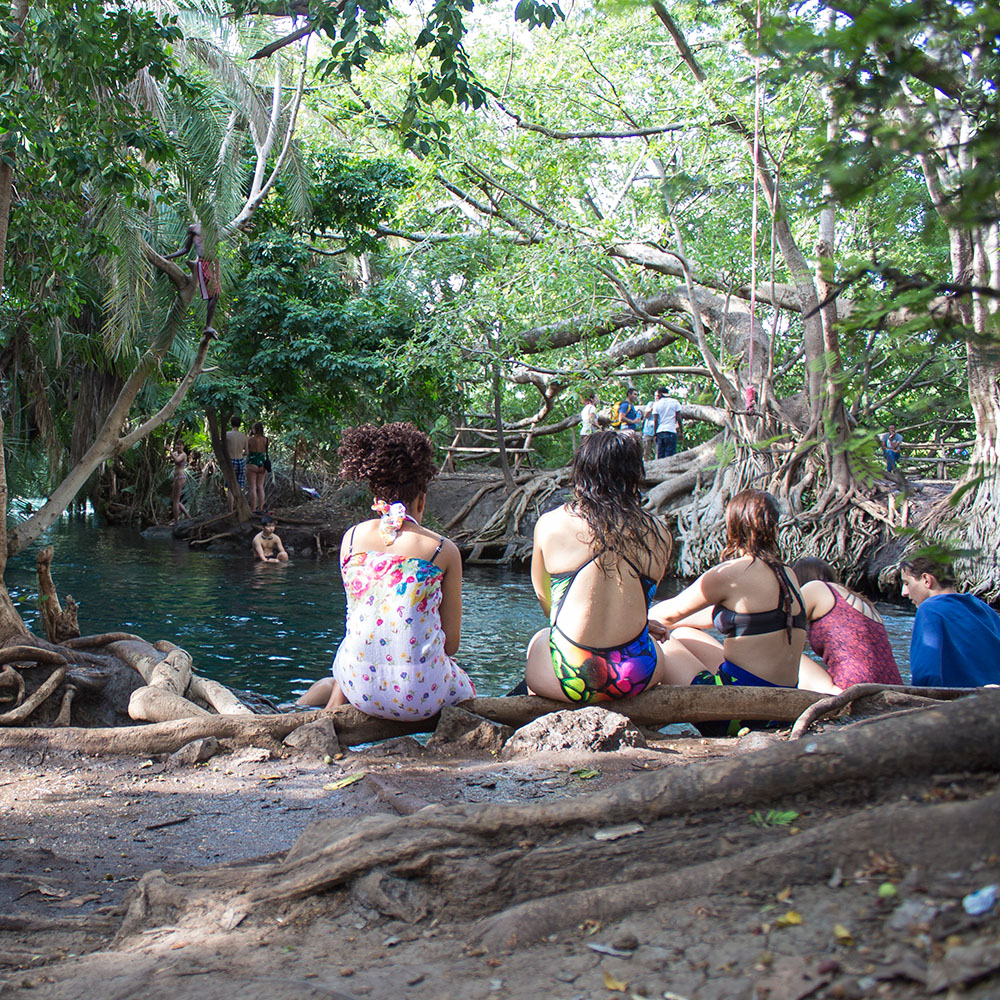
Kikuletwa Hot Springs
Turquoise spring-fed pools in a palm oasis
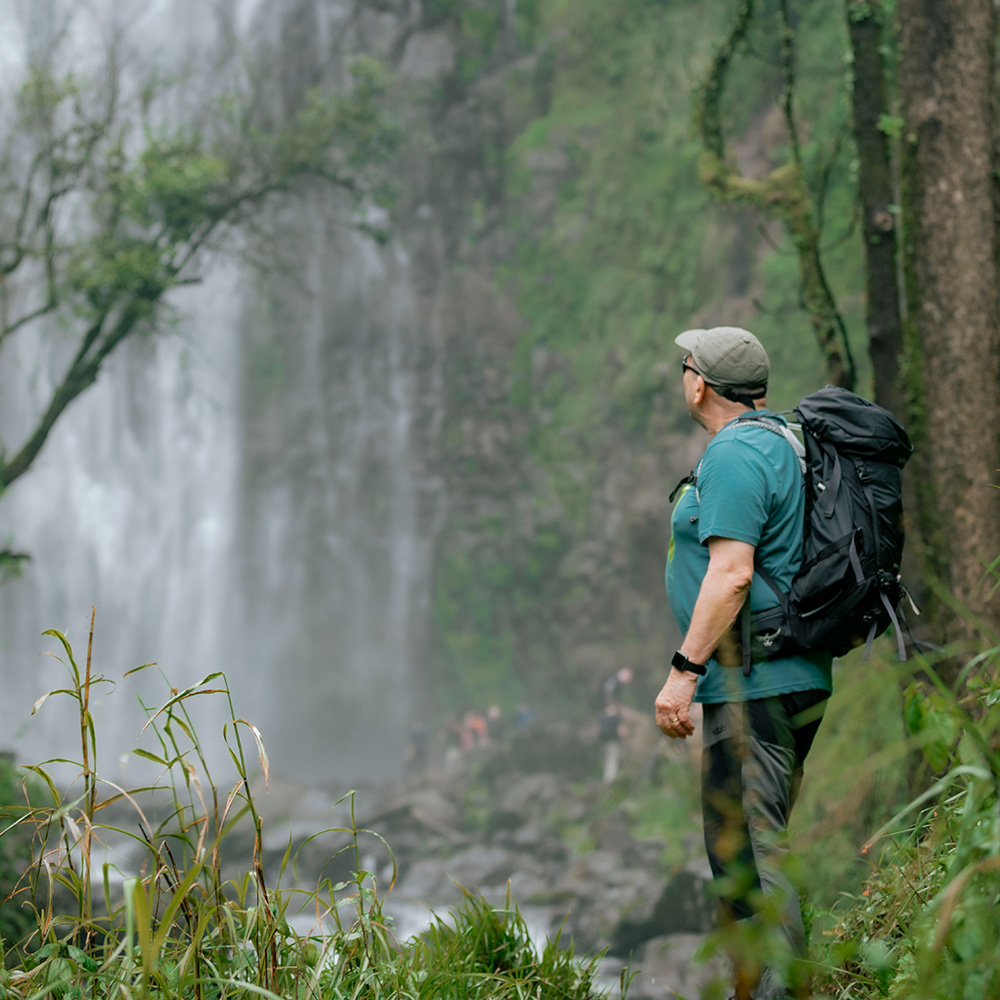
Materuni Waterfalls & Coffee
A Chagga village, a 80 m waterfall and coffee you roast yourself
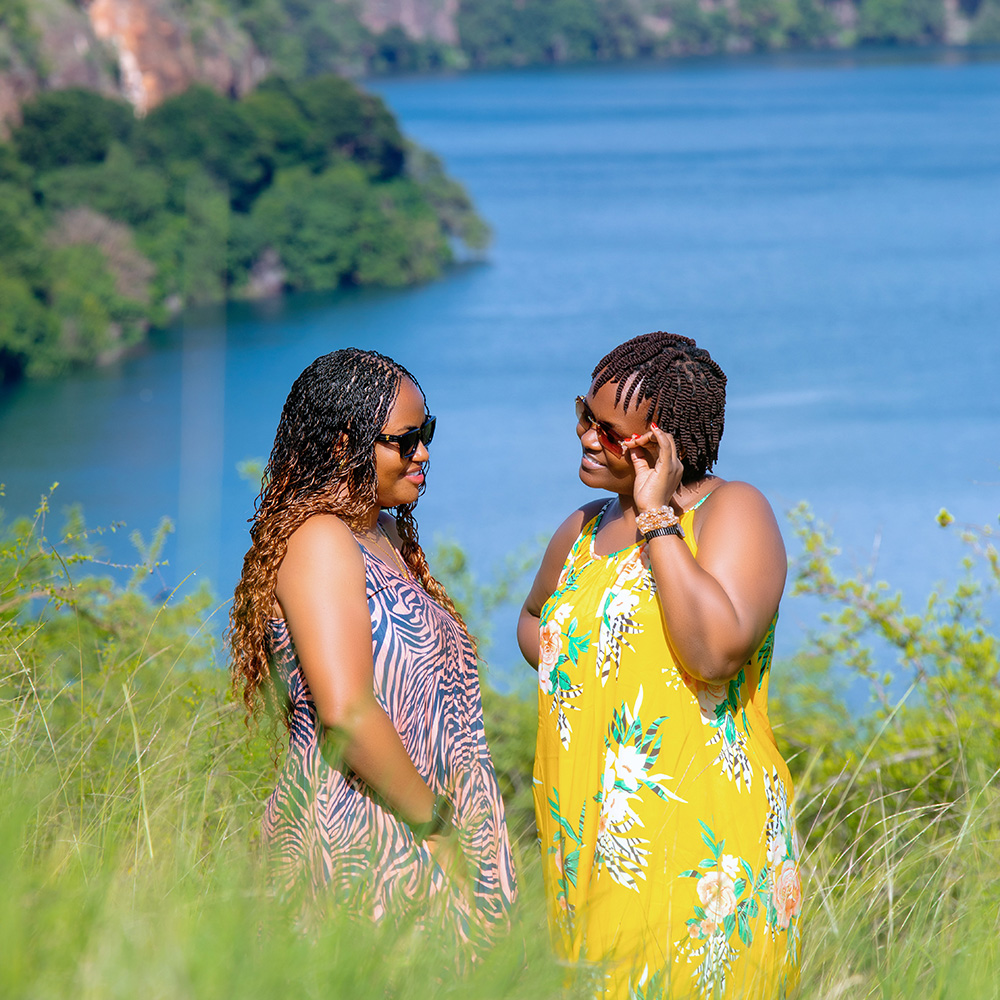
Lake Chala
A crater lake on the Kenya border, turquoise and quiet