
Is Tanzania Safe? Travel Advisory & Safety Guide
The current picture for 2026: what governments actually advise, the health rules for entry, mandatory travel insurance, emergency numbers and honest, local advice for a safe trip.
The short answer
Yes, most visits go smoothly: Tanzania welcomes well over a million international visitors a year, and the country's safari parks, Kilimanjaro routes and Zanzibar beaches are the backbone of a long-established tourism industry. The risks worth knowing about are city street crime, occasional political demonstrations and, in one remote corner of the country, the terrorism risk near the Mozambique border, which is far from every route and park we operate. Since late 2025 several governments have raised their advisory levels for Tanzania, so it is smart to read the current advice for your nationality before booking, then plan around it rather than panic about it. This page explains exactly what each advisory says, what it means for travellers, and the practical steps to travel safely.
Current travel advisories for Tanzania
Checked 2 October 2026. Advisories are updated regularly, so always confirm the current level on the official page for your nationality before you fly.
United States
Level 3: Reconsider Travel
Updated 31 October 2025
Cited risks include unrest, crime and terrorism. The terrorism risk is concentrated in the Mtwara Region near the border with Mozambique, far from the northern tourist circuits.
Read the official advisory →United Kingdom
Advise against all but essential travel to parts of the country
Updated 1 October 2026
The FCDO highlights the political situation following the October 2025 general election and warns that further demonstrations are possible, alongside regional terrorism risks.
Read the official advisory →Canada
Exercise a high degree of caution
Updated 1 October 2026
Higher levels apply in the Mtwara Region: avoid all travel within 10 km of the Mozambique border and avoid non-essential travel south of the A19 highway.
Read the official advisory →Australia
Exercise a high degree of caution
Updated 2 October 2026
Cites violent crime and civil unrest, with a heightened terrorism risk in the Mtwara region, and notes the mandatory inbound travel insurance requirement for mainland Tanzania.
Read the official advisory →What matters in practice: the areas the advisories flag most strongly sit in the far south-east (the Mtwara Region on the Mozambique border), hundreds of kilometres from Kilimanjaro, the northern safari circuit and Zanzibar. The rest of the advice is about city crime and demonstrations, which simple precautions handle well.
How to stay safe in Tanzania
The advice seasoned travellers and our guides give. None of it is complicated, and almost all of it is about the same handful of situations.
In cities and towns
- Keep valuables out of sight, especially phones after dark, and use a money belt in busy markets
- Use registered taxis or hotel-arranged transport at night rather than walking
- Be alert to distraction scams around bus stations and markets; never hand your phone to a stranger
- Carry copies of your passport and visa, leaving the originals in your hotel safe
Around demonstrations and politics
- Avoid all demonstrations, political rallies and large street gatherings, even celebratory ones
- Do not photograph police, government buildings or military sites
- If you see a crowd forming, change direction; our guides monitor local conditions daily and adjust routes if needed
- Discuss politics discreetly; politics is a sensitive topic in Tanzania
Health on the ground
- Drink bottled or filtered water only, which we provide throughout our trips
- Use insect repellent, long sleeves at dusk and sleeping nets or screened rooms for malaria prevention
- Carry a basic first-aid kit plus any personal medication in original packaging
- Talk to a travel clinic 4 to 6 weeks before departure about vaccines and malaria prophylaxis
On safari and the mountain
- Always follow your guide's instructions around wildlife, and never leave the vehicle in the parks
- Stay at least 7 metres from hippos, buffalo and elephants, even for photos
- On Kilimanjaro, report any symptoms of altitude sickness immediately; your guides monitor you daily
- Sun protection matters at altitude: sunscreen, lip balm, hat and sunglasses every day
Health rules, vaccinations & medical care
Entry health rules and vaccine advice change. Confirm everything with a travel clinic and the official sources below at least a month before departure.
Entry health requirements
- A yellow fever certificate is required if you arrive from, or transit through, a country with yellow fever risk
- Temperature screening and health checks are currently in place on arrival following the Ebola outbreak in the neighbouring DR Congo
- Travellers arriving directly from the DR Congo or Uganda complete a Traveller's Surveillance Form on arrival
- Check current requirements on the official Tanzanian health and immigration pages before you fly
Vaccinations & prevention
- Routine vaccines plus hepatitis A, typhoid and an up-to-date polio and measles protection are standard recommendations
- Malaria prophylaxis is recommended for the parks, the coast and Zanzibar; Kilimanjaro's slopes sit above the mosquito line for most of the route
- Cholera transmission exists in Tanzania, though it is rare in travellers; ask your clinic whether vaccination makes sense for your trip
- Drink bottled or filtered water, and skip ice in informal settings
We are not medical professionals and cannot give individual health advice. Your travel clinic knows your history and the current outbreaks, so let them make the final call.
Travel insurance is mandatory, not optional
Since 1 October 2026, visitors must buy the government's inbound travel insurance policy before arriving in mainland Tanzania, and Zanzibar requires its own separate policy. The government cover is basic, so pair it with your own policy that includes high-altitude trekking and medical evacuation. Read our full travel insurance guide and the mandatory insurance explainer for the details and what each policy covers.
Emergency contacts in Tanzania
Save these in your phone before departure. Dial 112 for any emergency; response times vary by region, so the direct numbers below are often faster.
Every trip with us includes 24/7 support from our Moshi-based team: your guide carries a phone at all times, our office coordinates with hospitals, insurers and embassies on your behalf, and medical evacuation on the mountain or in the parks is arranged immediately when needed.
Planning a trip? Ask someone who lives there.
Our team lives and works in Moshi, travels these routes daily and answers every enquiry personally, including current conditions on the ground.
Tanzania safety questions
- Is Tanzania safe for tourists?
- Millions of visitors travel safely in Tanzania every year, and the safari parks, Kilimanjaro routes and Zanzibar resorts are a long way from the areas the advisories single out, such as the Mtwara border region. The main risks are petty and violent crime in cities and political demonstrations, which are best avoided with simple precautions. Government advisory levels have been raised in the past year, so check the latest official advice for your nationality before booking and again before you fly.
- What is the current travel advisory for Tanzania?
- As of early October 2026, the US Department of State rates Tanzania at Level 3 (Reconsider Travel), the UK FCDO advises against all but essential travel to parts of the country, and Canada and Australia advise exercising a high degree of caution. Advisory levels change, so treat this page as a starting point and confirm the current wording on the official government pages linked above.
- Is it safe to climb Kilimanjaro?
- Kilimanjaro's main risks are environmental, not criminal: altitude sickness, cold and sun exposure. Climbs are run by professional crews who monitor trekkers daily, and the standard safety rule is to descend immediately if symptoms of altitude sickness worsen. Make sure your insurance covers trekking above 5,000 metres, which ours does by default, and see our Kilimanjaro guide for details.
- Is Zanzibar safe?
- Yes, the island's resort areas and beaches are generally relaxed and safe. Take normal precautions in Stone Town, such as avoiding quiet streets after dark and keeping valuables secure. Zanzibar also has its own mandatory insurance policy for visitors, which we cover in detail in our travel insurance guide.
- Do I need travel insurance for Tanzania?
- Yes. Since 1 October 2026, visitors must buy the mandatory inbound travel insurance policy before arriving in mainland Tanzania, and Zanzibar requires its own separate policy. This government cover is basic, so most travellers also carry their own policy that includes high-altitude trekking, medical evacuation and trip cancellation. See our travel insurance guide for the full picture.
- What is the emergency number in Tanzania?
- Dial 112 for police, fire and ambulance emergencies. Response quality varies by region, so also save your hotel's number, our office number and your embassy in Dar es Salaam. For medical evacuation on the mountain or in the parks, our guides call the flying doctor service and coordinate everything on your behalf.
- Should I avoid demonstrations and political gatherings?
- Yes. Protests following the October 2025 general election occasionally turned violent, and further demonstrations are possible at any time. Avoid any crowd or march in cities, follow instructions from local authorities, and rely on your guide or driver, who will always route around trouble. Tourist areas, parks and airports have not been targeted.
- Is malaria a risk in Tanzania?
- Yes, malaria is present across most of Tanzania, including the safari parks and Zanzibar, though the risk is lower at Kilimanjaro's higher elevations. Take antimalarial medication as prescribed by your travel clinic, use repellent and long clothing at dusk and dawn, and seek medical attention quickly for any fever after your trip. We are not medical professionals, so confirm your prophylaxis with a doctor.
Rest and acclimatisation days around Moshi
Arriving early or resting after your climb? These short trips from Moshi pair well with a Kilimanjaro itinerary.
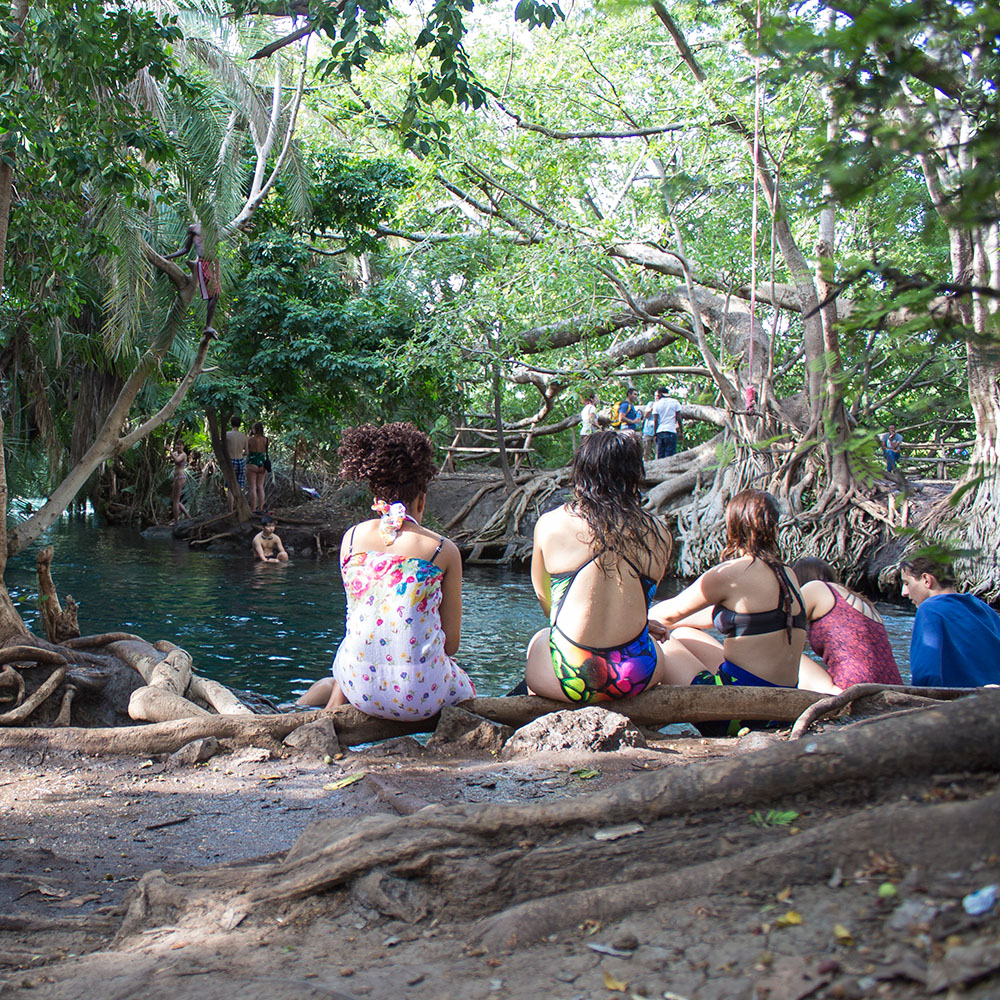
Kikuletwa Hot Springs
Turquoise spring-fed pools in a palm oasis
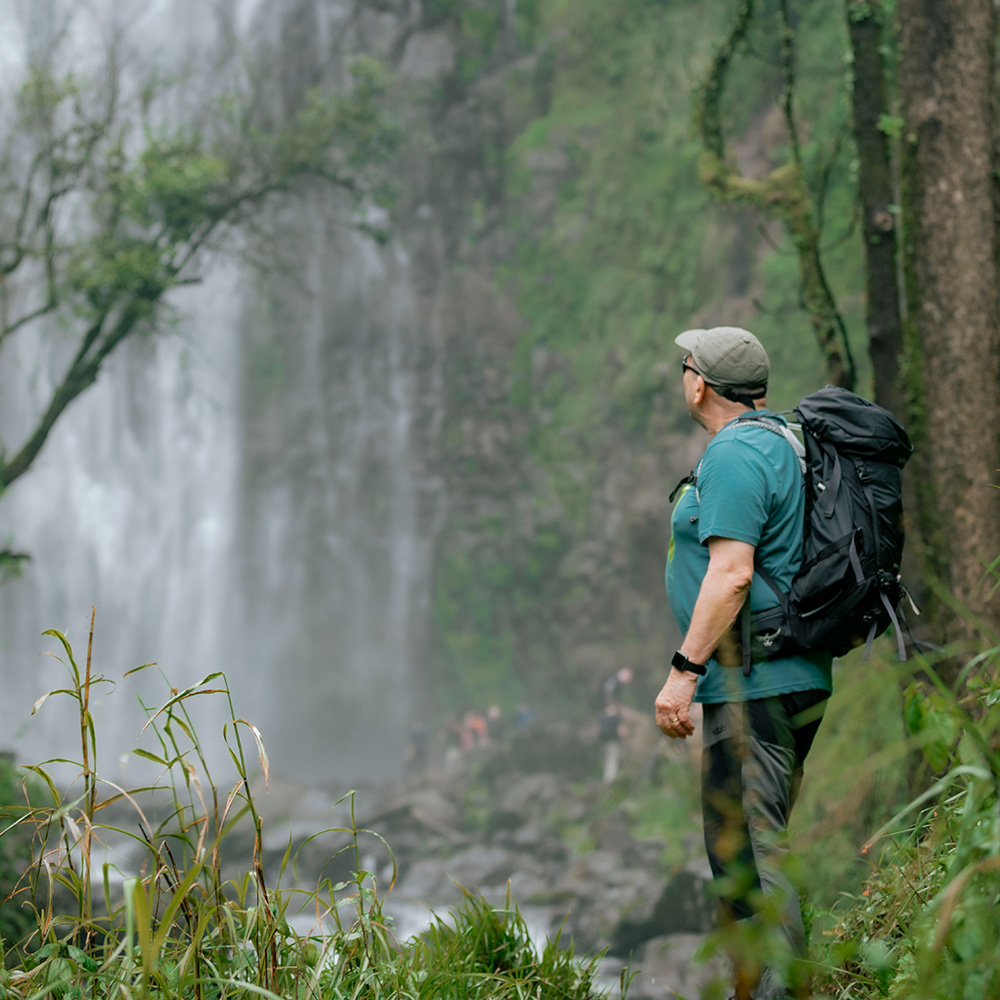
Materuni Waterfalls & Coffee
A Chagga village, a 80 m waterfall and coffee you roast yourself
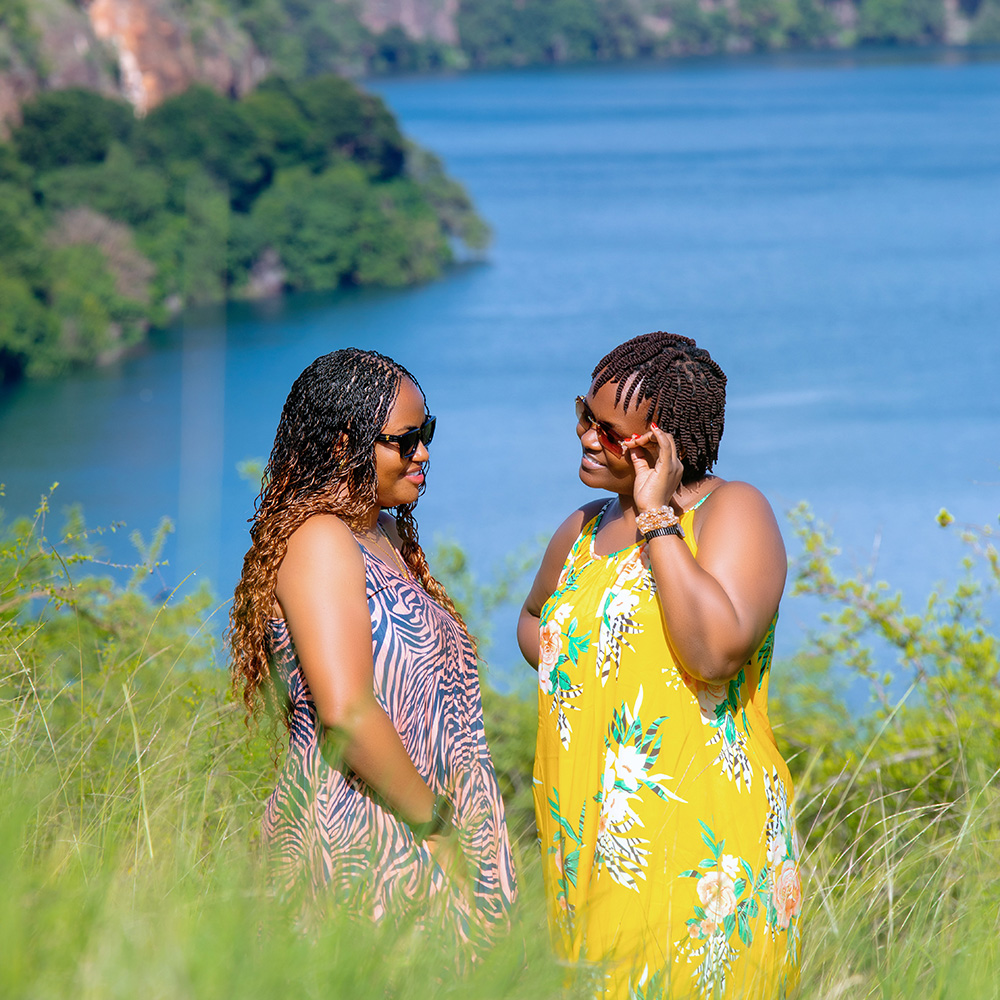
Lake Chala
A crater lake on the Kenya border, turquoise and quiet