

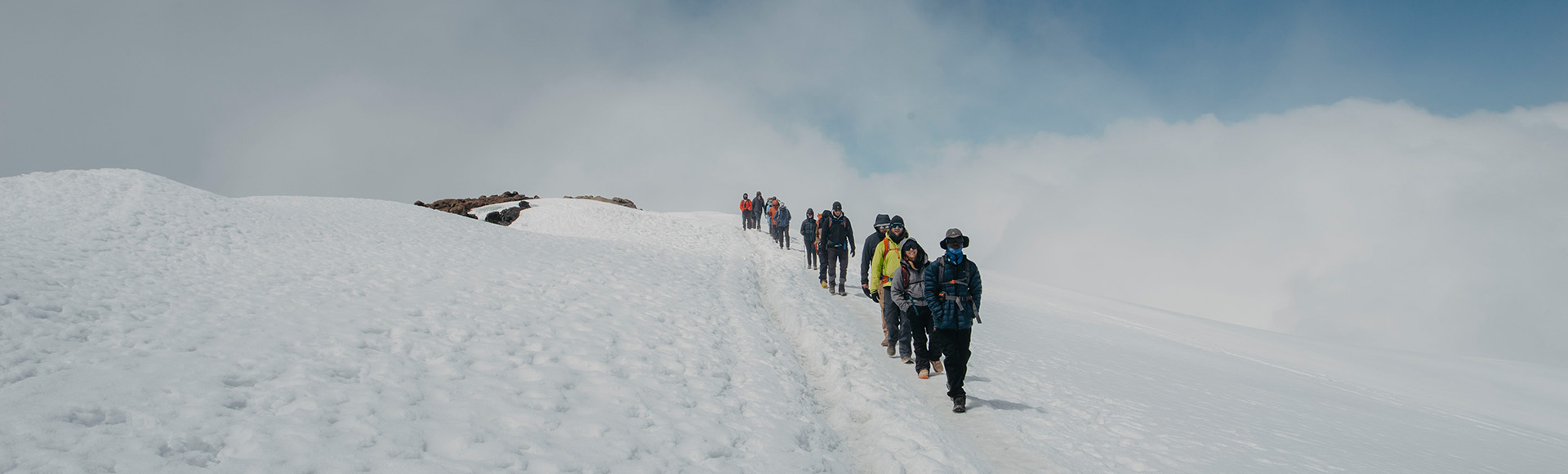
Tanzania Travel Guide
Everything practical you need before you fly: visas and entry requirements, money and tipping, local customs and etiquette, and how to get to and around Tanzania.
Visas & entry
Entry rules change, so treat this as a starting point and confirm on the official Tanzanian immigration website before you book. Here's how it works for most travellers.
Most visitors need a visa
Citizens of most countries, including the US, UK, EU, Canada and Australia, need a visa to enter Tanzania. A handful of mostly African and Commonwealth countries are exempt. Check the official Tanzanian immigration website for your nationality before booking flights.
Apply online before you fly
Tanzania operates an official e-visa portal. Apply at least two to three weeks before travel, approval is usually quick, but don't leave it to the last days. Print the approval and carry it with your passport.
Visa on arrival is a fallback, not a plan
Single-entry tourist visas can still be purchased on arrival at Kilimanjaro (JRO), Dar es Salaam and Zanzibar airports, payable in US dollars. Queues can be long after international flights, the e-visa saves you an hour on arrival day.
Passport validity
Your passport should be valid for at least six months beyond your travel dates and have at least one blank page. Airlines will deny boarding without this, so check it before anything else.
Currency, cash & cards
Tanzania runs on a mix of shillings and US dollars. A little planning means you never get caught short in a place with no ATM.
The currency is the Tanzanian Shilling (TZS)
Everyday prices in local shops and markets are in shillings. US dollars are widely accepted for tourism services, park fees, hotels and tips, but bring clean, undamaged notes printed after 2009; older or torn notes are often refused.
Carry cash for tips and small purchases
Card payments work at larger hotels and in Arusha and Moshi, but safari lodges, markets and rural areas are cash economies. ATMs are common in towns, rare once you head into the parks.
Tipping is customary on treks and safaris
Guides, porters and cooks rely on tips as a significant part of their income. Our Kilimanjaro tipping guide gives recommended amounts per crew member per day.
Tell your bank you're travelling
Card blocks for 'suspicious' overseas transactions are a common first-day headache. Notify your bank, and bring a backup card stored separately.
Local customs
Tanzanians are famously warm and welcoming. A few simple courtesies go a long way, and will be warmly returned.
Greet before you get to business
Tanzanians value courtesy. A handshake and a 'Jambo' or 'Habari' (how are you?) opens every interaction, diving straight into a question or a price is considered abrupt. Your guides will happily teach you a few Swahili phrases.
Dress modestly, especially on the coast and in Zanzibar
Tanzania is a conservative country, and Zanzibar is predominantly Muslim. Beachwear is fine at resorts and on the sand, but cover shoulders and knees in Stone Town, villages and markets.
Ask before photographing people
Always ask permission before photographing local people, and expect some to decline or request a small tip. Wildlife, of course, doesn't mind.
Right hand for giving and eating
Use your right hand when passing money, receiving items or eating shared food, the left hand is considered unclean in local custom.
Transport
Most of our guests never touch Tanzanian public transport, every transfer, park drive and connection is arranged and driven by our team. Here's the bigger picture.
Fly into Kilimanjaro International (JRO)
For Kilimanjaro climbs and northern-circuit safaris (Serengeti, Ngorongoro, Tarangire), JRO is the natural gateway, about an hour from Arusha and Moshi. Dar es Salaam (DAR) serves the south and coast; Zanzibar (ZNZ) has its own international airport.
We handle your ground transport
All our packages include airport pick-up and drop-off and transport between parks in a private 4x4 safari vehicle with a pop-up roof. You will never need to arrange taxis or buses mid-trip.
Getting to Zanzibar
The fastest route after a safari or climb is a short domestic flight from Arusha or the Serengeti's airstrips straight to Zanzibar. Ferries run between Dar es Salaam and Stone Town for travellers already on the coast.
Domestic flights and bush planes
For longer itineraries we book scheduled light-aircraft flights between parks, a scenic 45-minute hop that replaces a full day of driving. Tell us if small planes aren't for you; road itineraries are always possible.
Still have questions? Ask someone who lives there.
Our Moshi-based team answers every enquiry personally, visas, money, packing, timing, or anything else on your mind.
Common questions about travelling in Tanzania
- Do I need a visa to visit Tanzania?
- Most nationalities do. Apply through the official Tanzanian e-visa portal two to three weeks before travel, or buy a single-entry tourist visa on arrival at Kilimanjaro, Dar es Salaam or Zanzibar airports, payable in US dollars. Some mostly African and Commonwealth nationalities are exempt, check the official immigration website for yours.
- Can I use US dollars in Tanzania?
- Yes, for tourism services like park fees, hotels and tips, but bring clean notes printed after 2009, as older or damaged bills are often refused. For markets and small local purchases you will need Tanzanian shillings, easily drawn from ATMs in Arusha and Moshi.
- Is Tanzania safe for tourists?
- Tanzania is one of Africa's most established safari destinations and welcomes over a million visitors a year. Normal city precautions apply in Dar es Salaam and Arusha, keep valuables out of sight and use registered taxis at night. On our trips you are with a professional guide throughout.
- What vaccinations do I need for Tanzania?
- A yellow fever certificate is required if you are arriving from a country with yellow fever risk, and recommended in some other cases. Speak to a travel clinic about routine boosters and malaria prevention several weeks before departure, we are not medical professionals and can't give individual health advice.
- How do I get from Kilimanjaro airport to my hotel?
- You don't need to arrange anything. All our climbs and safaris include meet-and-greet pick-up at Kilimanjaro International Airport and transfer to your hotel in Moshi or Arusha, whatever time your flight lands.
- What should I wear in Tanzania?
- Light, neutral layers for safari, modest clothing (covered shoulders and knees) in towns, villages and Zanzibar's Stone Town, and proper cold-weather gear for Kilimanjaro's summit nights. Our packing lists for Kilimanjaro and safari cover everything in detail.
Rest and acclimatisation days around Moshi
Arriving early or resting after your climb? These short trips from Moshi pair well with a Kilimanjaro itinerary.
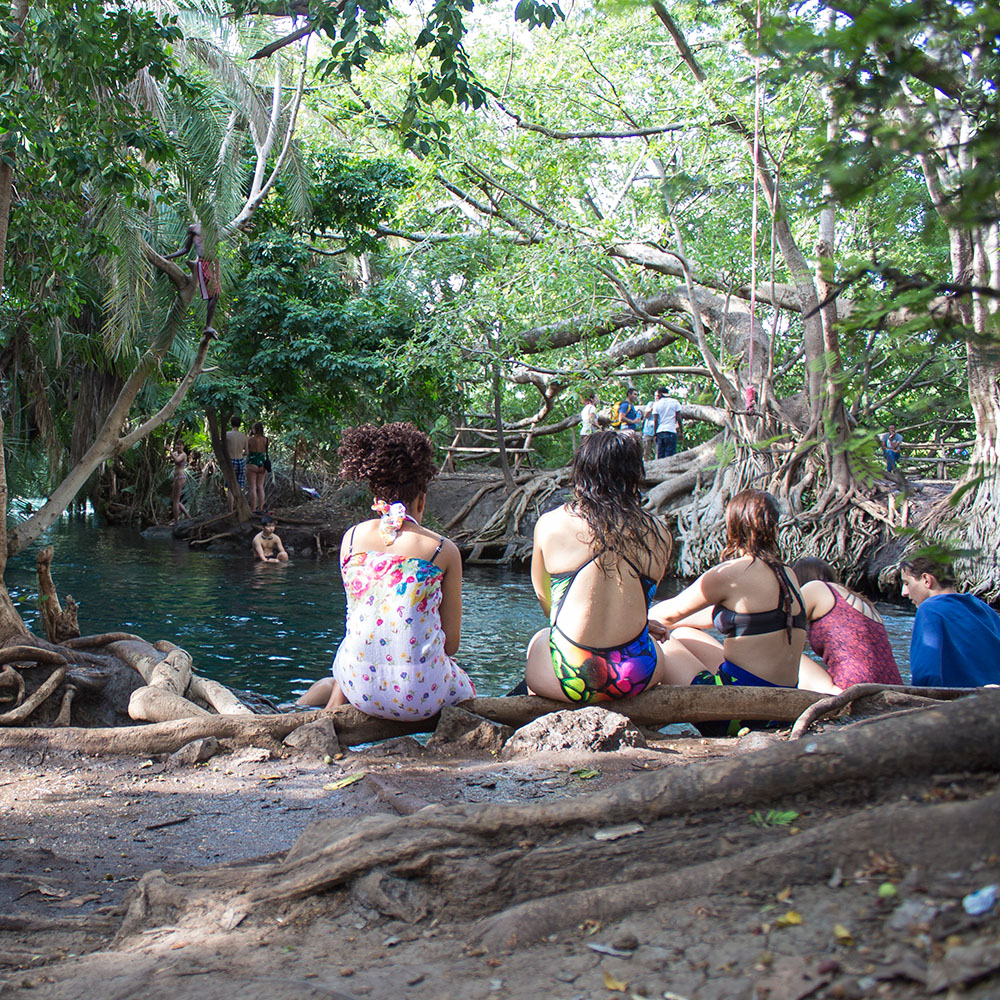
Kikuletwa Hot Springs
Turquoise spring-fed pools in a palm oasis
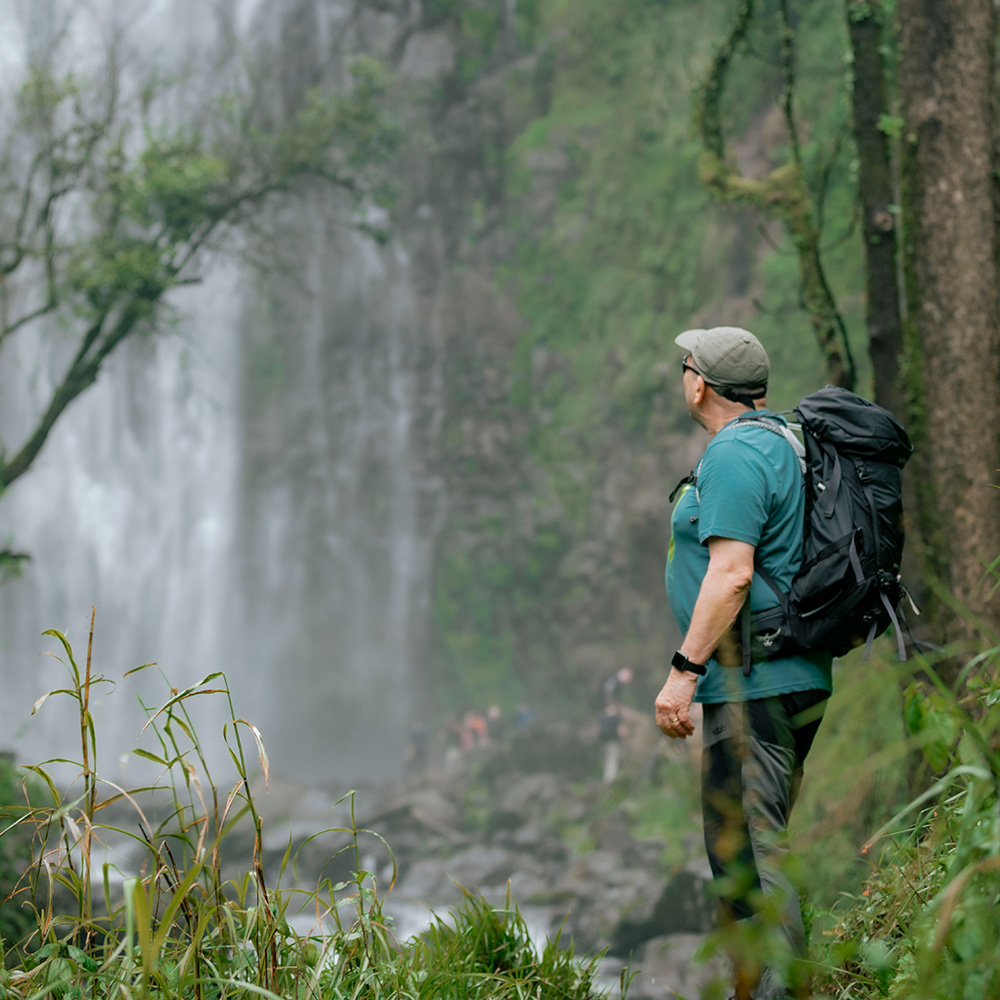
Materuni Waterfalls & Coffee
A Chagga village, a 80 m waterfall and coffee you roast yourself
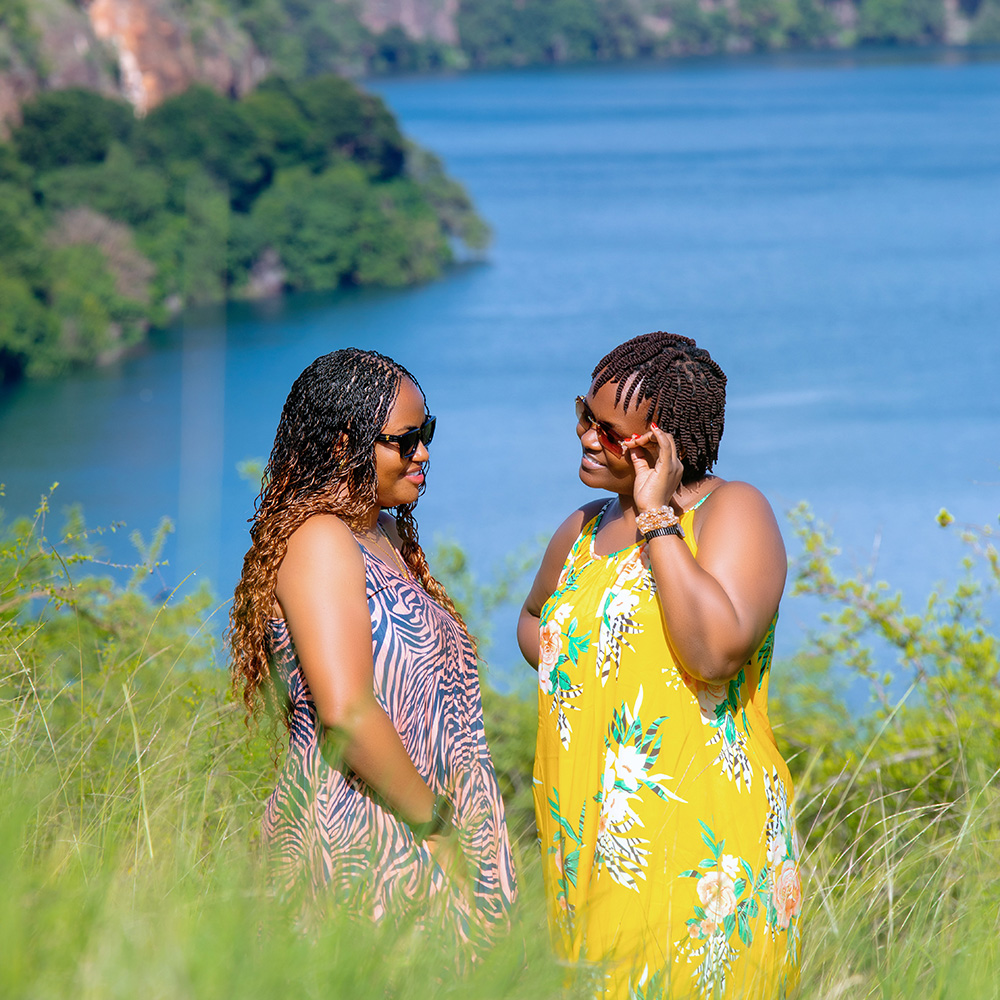
Lake Chala
A crater lake on the Kenya border, turquoise and quiet